
Top Toddler Books About Independence
📖 Table of Contents
- What Makes a Great Book About Independence?
- The Power of Repetition in Independence Books
- Choosing the Right Book for Your Toddler’s Stage
- How These Books Support Emotional Development
- The Role of Parents in Reinforcing the Message
- The Impact of Independent Thinking at an Early Age
- How to Use These Books in Everyday Life
- Make It Your Way
- Frequently Asked Questions
There’s a moment in toddlerhood that feels like a tiny earthquake — the one when your child suddenly insists on putting on their own shoes, even if they’re still laced incorrectly. It’s a small, messy victory, but it’s a powerful reminder of their growing independence. As a parent, I’ve watched my daughter go from being a complete reliant toddler to a fiercely independent little person, all while reading the same handful of books over and over again. These books, with their simple messages and bright illustrations, are more than just stories — they're tools that help toddlers build confidence, self-reliance, and a sense of purpose.[1]
I remember the first time I read 'I Can Do It All by Myself' to my daughter. She was three, and she was struggling with a puzzle that seemed too complicated for her. When I read the line, 'Sometimes it takes a little time, but you can do it,' her eyes lit up, and she gave the puzzle another try. That book became a go-to for moments when she needed a reminder that she was capable. These stories aren’t just about independence — they're about empowerment, about helping little minds understand that they have the strength to do things on their own.[2]
The top toddler books about independence are more than just entertainment. They're carefully crafted to support the developmental leap from dependence to self-sufficiency. Each page is a small step toward a child learning to tie their shoes, brush their teeth, or even make a decision. These books teach toddlers that they are not just capable. That they are also allowed to try, to fail, and to try again — all while being surrounded by the love and support of their parents. These stories are not just for toddlers; they're for parents who want to nurture independence without pushing too hard.[3]
Why You'll Love This Collection of Books
- They teach toddlers that they are capable and can try new things, even if they're not perfect.
- They're written with simple language and bright visuals that keep toddlers engaged.
- They provide a gentle framework for parents to support their child's growing independence.
- They encourage perseverance, even in the face of small failures.
What Makes a Great Book About Independence?
As of October 2026, Books about independence for toddlers should mirror the daily struggles and small triumphs of a child learning to do things on their own. These books often feature characters who are just like the toddler — messy, curious, and sometimes frustrated. The language is simple, repetitive, and comforting, often using phrases like 'I can do it' or 'I tried my best.'
I’ve found that books that show a child trying something, failing, and then trying again are the most effective. These stories help toddlers understand that failure is part of the process and that persistence pays off. The illustrations are usually bright and colorful, making it easier for toddlers to follow along and engage with the story.
The best books also include a variety of activities, such as getting dressed, feeding themselves, or cleaning up. These real-life scenarios are relatable and give toddlers a concrete example of what independence looks like. When a toddler sees a character in a book who is able to do something on their own, it gives them a sense of what’s possible.
Choose books that feature characters in situations your toddler is familiar with — like getting ready for bed, eating a snack, or playing with blocks. These scenarios help toddlers connect the story to their own experiences.
Part of our Top when does toddler independence start guide.
The Power of Repetition in Independence Books
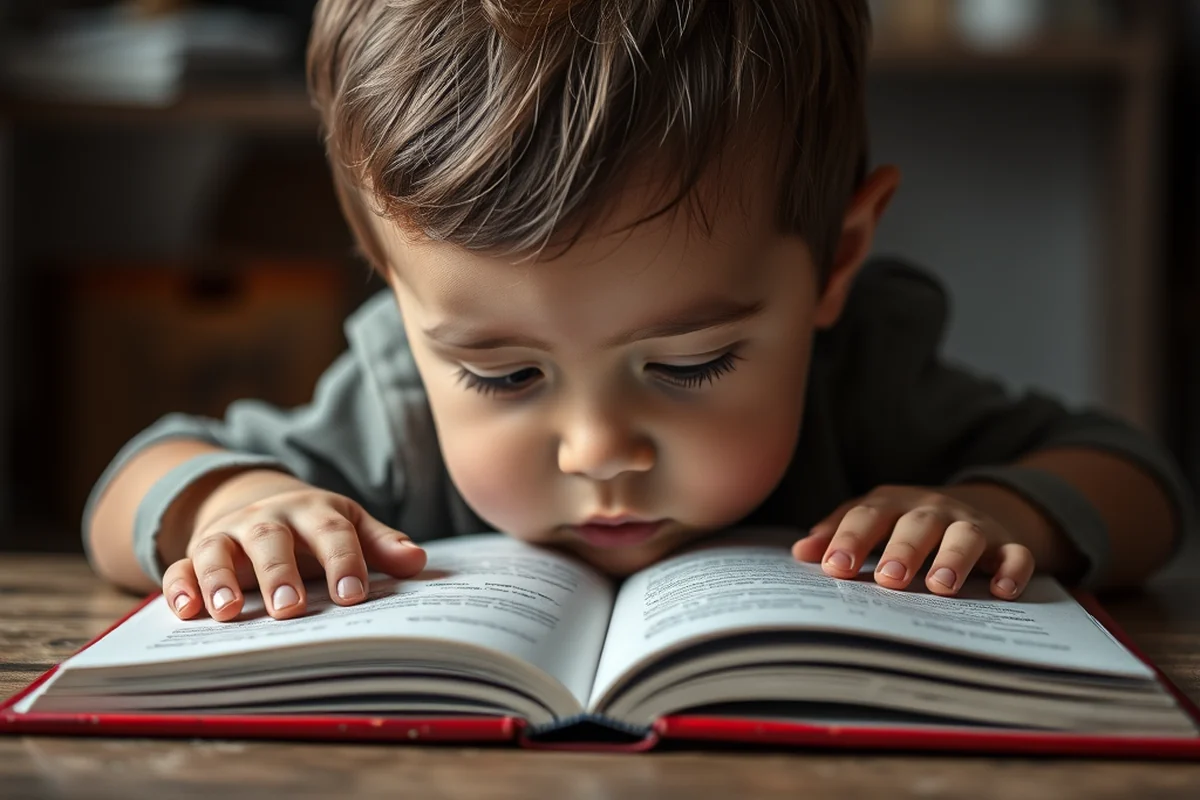
I’ve noticed that my daughter picks up the same book every time she’s struggling with something new. The repetition of phrases like 'I did it!' or 'I tried again!' helps her understand that trying again is not only okay, but also a good thing. These books are designed to be read multiple times, and each time, the toddler picks up a little more from the story.
When a book is read over and over again, the toddler begins to memorize the words and the message. This repetition helps reinforce the idea that they are capable and that they can do things on their own. It also helps them feel more secure, knowing that their parent is there to support them through the process.
Repetition also helps toddlers develop a sense of rhythm and predictability, which is comforting for them. When a child knows what’s coming next in a story, it helps them feel more in control, which is an important part of building independence.
Repetition is not just for learning — it’s for growing.
Related: Top toddler zone independence center
Choosing the Right Book for Your Toddler’s Stage
When I was looking for books about independence, I realized that my daughter was in a different stage than my friend’s toddler. While my daughter was learning to tie her shoes, my friend’s toddler was still working on brushing their teeth. This made me realize that the right book depends on where the child is in their developmental journey.
Books for toddlers who are just starting to learn independence should focus on simple tasks like getting dressed, feeding themselves, or cleaning up. These are the foundational skills that help build a sense of self-efficacy. As toddlers grow, the books can shift to focus on more complex tasks, like making a choice or solving a small problem.
It’s also important to choose books that match the toddler’s interests. If a child loves animals, a book about an animal who learns to do something on their own might be more engaging than a book about a human child. This personal connection helps the child relate to the story and see themselves in the character.
Look for books that align with the skills your toddler is working on right now. If they're learning to use a spoon, choose a book that features a character learning to eat on their own. This makes the message more relatable and powerful.
“There’s a moment in toddlerhood that feels like a tiny earthquake — the one when your child suddenly insists on putting on their own shoes…”— Toddler Independence Building editors
Related: Best when does toddler independence start
How These Books Support Emotional Development
One of the most surprising benefits of these books is how they help toddlers understand and manage their emotions. When a character in a book feels frustrated or upset, it gives the toddler a chance to see how to handle similar emotions in their own life. This emotional modeling is incredibly important for toddlers, who are still learning how to express and regulate their feelings.
I’ve seen my daughter use the phrases from these books to talk through her emotions. For example, when she was upset because she couldn’t tie her shoes, she would say, 'It’s okay, I can try again.' This shows that these books aren’t just about physical tasks — they’re also about emotional growth.
These books also help toddlers develop a sense of self-awareness. When a character in a book says, 'I did it on my own,' it helps the toddler understand that they are capable of doing things by themselves. This self-awareness is a key part of building confidence and independence.
Related: Top lizcandor toddler independence
The Role of Parents in Reinforcing the Message
Reading these books is just the beginning — the real work happens when parents apply the lessons in real life. When my daughter reads a book about learning to brush her teeth, I make sure to give her the chance to do it on her own, even if it takes longer or doesn’t look perfect. This helps her see the connection between the book and her own life.
Parents can also use the language from the books to reinforce the message of independence. For example, if a toddler is struggling with a puzzle, saying, 'You can do it, just like in the book' helps them feel supported and capable. This kind of encouragement is essential for building a child’s confidence.
It’s also important for parents to model independence themselves. When a toddler sees their parent doing something on their own, it helps them understand that independence is a skill that can be learned and practiced. This modeling is a powerful way to reinforce the message of the books.
Related: Top toddler sports independence mo
The Impact of Independent Thinking at an Early Age
I’ve noticed that my daughter is more willing to try new things now that she’s been exposed to books about independence. She’s not afraid to attempt tasks that she used to avoid, like climbing the stairs or using the potty by herself. This shift in attitude is something that I believe is directly linked to the message of these books.
These books help toddlers develop a growth mindset — the belief that they can improve and learn from their mistakes. This kind of thinking is crucial for later in life, when children face more complex challenges. The earlier they learn that they can try again, the better equipped they’ll be to handle future obstacles.
The impact of these books isn’t just immediate — it’s long-term. By teaching toddlers that they can do things on their own, these books help build the foundation for a lifetime of self-reliance and confidence. This is a gift that keeps on giving, even as the child grows older.
The seeds of independence are planted in the early years — and they grow into lifelong skills.
Related: How old is a toddler
How to Use These Books in Everyday Life
I’ve found that reading these books at specific times of the day — like before bedtime or after a meal — helps reinforce the message of independence. When my daughter is getting ready for bed, I read a book about getting dressed, and then she follows the same steps herself. This makes the book a part of her routine and helps her see the connection between the story and her own life.
You can also use these books as a way to introduce new tasks or challenges. For example, if your toddler is learning to use a spoon, read a book about a character who is learning to eat on their own. This helps make the task feel more achievable and gives the toddler a model to follow.
Incorporating these books into your toddler’s daily life helps them see that independence is a normal and expected part of growing up. It also gives you a way to support their development in a fun and engaging way, without feeling like you’re pushing them too hard.
🌱 Gentle Approach
Focus on small, achievable tasks and use books to model patience and perseverance.
⚡ Fast-Track Method
Introduce new tasks quickly and use books to help toddlers build confidence through repetition and success.
✈️ Travel/Away-from-Home
Choose books that can be read on the go and focus on tasks that can be done independently even in unfamiliar environments.
👶 Multiples
Use books that are engaging for multiple children and encourage cooperation and independent problem-solving among siblings.
🔄 Regression Reset
Revisit favorite books during times of regression to reinforce the message of independence and help toddlers regain confidence.
| The mistake | Why it happens | The fix |
|---|---|---|
| Choosing books that are too advanced for your toddler’s stage. | Books that are too advanced can be confusing or overwhelming for a toddler who is just learning to be independent. | Choose books that match your toddler’s developmental stage and current skill level. This helps them engage with the story and understand the message. |
| Reading the book too quickly without allowing time for interaction. | Reading too quickly can make it hard for toddlers to follow along and engage with the story. | Take your time when reading these books. Allow your toddler to point to pictures, repeat phrases, and interact with the story in their own way. |
| Focusing too much on the task and not enough on the message of independence. | Books about independence are not just about doing a task — they’re about the message of self-reliance and perseverance. | When reading these books, make sure to highlight the message of independence, not just the task itself. This helps your toddler understand the bigger picture. |
| Not applying the message of the book in real life. | Books are only part of the equation — the real work happens when the message is applied in real life. | Make sure to give your toddler the chance to practice the skills they see in the books. This helps reinforce the message and makes it a part of their daily life. |
Top Toddler Books About Independence
Common Questions
How often should I read these books to my toddler?
Can I use these books for older children as well?
What if my toddler doesn’t seem interested in these books?
How can I make these books more interactive?
References
- Positive Parenting Tips: Toddlers (2–3 years old) | Child Development (cdc.gov)
- Children's Books: Portrayals of People with Disabilities - IRIS Center (iris.peabody.vanderbilt.edu)
- Growing Independence: Tips for Parents of Toddlers and Twos (naeyc.org)
Cite this guide
Toddler Independence Building (2026). Top Toddler Books About Independence. https://tinydoers.com/top-toddler-books-about-independence/
Feel free to cite or share this guide.