
Montessori Toddler Independence At Home
📖 Table of Contents
- The Power of Real Tools in the Home
- Why Toddlers Want to Help, and How to Encourage It
- Creating a Montessori-Inspired Environment for Independence
- The Importance of Modeling Behavior
- The Role of Consistency in Building Independence
- The Benefits of a Structured, Yet Flexible Home Life
- How to Handle Setbacks and Encourage Resilience
- Make It Your Way
- Frequently Asked Questions
I remember the first time my toddler, then just 18 months old, poured her own water from a pitcher without spilling a drop. It wasn’t magic—it was the result of months of deliberate, Montessori-inspired work at home. The idea that toddlers can learn to be independent, not just in small ways but in meaningful, self-directed ones, is a revelation for many parents. Montessori toddler independence at home isn’t about leaving them to figure it out on their own—it’s about creating an environment where they can practice, explore, and grow with purpose and structure.[1]
When I first started exploring Montessori principles, I was overwhelmed by the terminology and the perceived complexity. But it didn’t take long to realize that the core of Montessori toddler independence at home is about respecting the child’s natural desire to learn and work. This means giving them access to real tools, real responsibilities, and real choices. It's not about making everything 'perfect' or 'safe' in a traditional sense. Rather about creating a space where they can move, touch, and engage with the world in a way that builds self-reliance and confidence.[2]
What surprised me most was how quickly things changed when I began applying these principles. Within weeks, my toddler was sorting laundry, stacking plates, and even helping with simple household tasks like wiping the table. These were not just cute moments—they were signs of deep, meaningful growth. Montessori toddler independence at home isn’t just a parenting style—it’s a philosophy that transforms how we see our children and how we engage with them every day.[3]
Why You'll Love This Montessori Approach to Toddler Independence
- It builds confidence and self-reliance from a young age.
- It fosters a lifelong love of learning and exploration.
- It reduces frustration by letting toddlers act on their own impulses.
- It creates a more peaceful and purposeful home environment.
The Power of Real Tools in the Home
As of October 2026, one of the most impactful changes I made was introducing real tools that my toddler could use. This meant things like small knives (with rounded edges), real dish brushes, and even a tiny broom. These items, while designed for safety, still allow the child to engage in tasks that feel meaningful. For example, my daughter used a small brush to clean the floor, and it was the first time she understood the concept of 'cleaning' as a daily activity.[4]
The key is to choose tools that are proportionate to the child's size and ability. This not only makes the activity more effective but also increases their motivation to participate. When a child can see the immediate impact of their actions—like a dusty spot being wiped clean—they're more likely to want to repeat the task.
I noticed that using real tools significantly boosted my toddler's confidence. She was no longer just 'helping'—she was doing the task, solving the problem, and taking pride in her work. This simple shift from pretend to real made all the difference in her sense of capability.
Invest in tools that are small enough for tiny hands but still functional. Look for ones with rounded edges and non-toxic materials.
Part of our Toddler burgeoning independence at home guide.
Why Toddlers Want to Help, and How to Encourage It

I learned the hard way that toddlers don’t just want to help—they need to feel like their help is valued and useful. This means giving them tasks that are simple, meaningful, and within their ability. For example, instead of asking my toddler to carry a heavy bucket of water, I gave her a small watering can to fill with water from a pitcher and then pour it into the plants.
This kind of task teaches them responsibility and also gives them a way to contribute to the household. When a toddler feels like their actions make a difference, they become more motivated to participate. It’s also a great way to build their fine and gross motor skills.
One of the most surprising things I noticed was how quickly my toddler learned to take initiative. She would often approach me with a question like, 'Can I help?' and then suggest a task she thought she could do. This was a powerful sign of her growing independence and self-esteem.
Let them help, even if it seems small.
Related: The kid from home alone
Creating a Montessori-Inspired Environment for Independence
Creating an environment that supports toddler independence starts with organization. I made sure that all the tools my toddler used were within her reach, on low shelves or in baskets that she could open and close by herself. This meant storing her clothes in a basket she could access, or keeping her shoes in a place where she could put them on and take them off without help.
I also made sure that each item had a specific place. This helped my toddler understand that everything has a purpose, which is a key part of Montessori philosophy. She quickly learned where to put her toys, her dishes, and even her clothes, which made cleanup much easier for everyone.
The result was a more peaceful home, with fewer tantrums and more moments of purposeful activity. My toddler no longer felt frustrated when she wanted to do something but couldn’t reach the tools she needed. Instead, she felt empowered by the fact that she could find and use everything on her own.
Store tools and items in baskets or on low shelves so your toddler can access them independently. Labeling is also helpful for teaching responsibility and organization.
“I remember the first time my toddler, then just 18 months old, poured her own water from a pitcher without spilling a drop.”— Toddler Independence Building editors
Related: Toddler burgeoning independence comparison
The Importance of Modeling Behavior
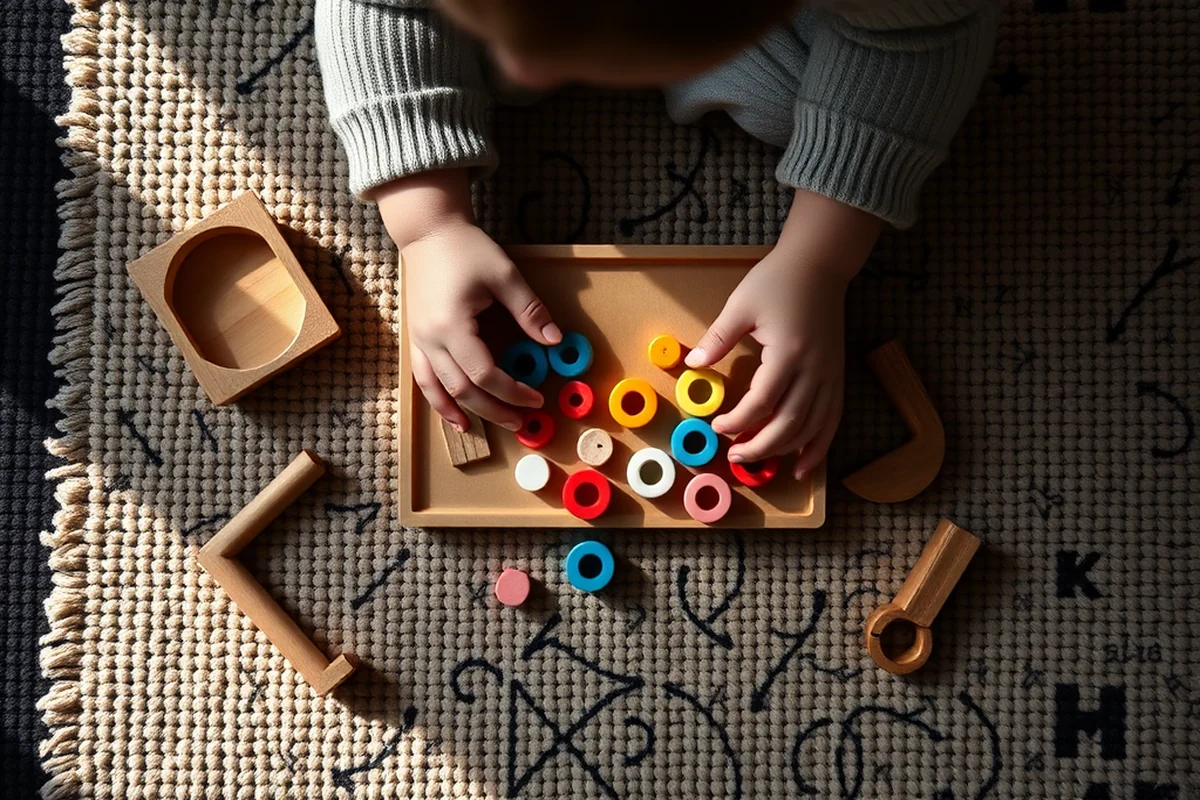
One of the most powerful ways I encouraged toddler independence was by modeling it myself. I made a point of doing tasks in front of my toddler and explaining what I was doing. For example, when I was cooking, I would say, 'I need to pour the water into the pot now,' or 'I need to stir the soup so it doesn’t burn.' This helped her understand the process and see that even adults do these things with care and purpose.
I also made sure to do tasks slowly and deliberately, so she could follow along. This wasn’t just about teaching her how to do things—it was about showing her that independence and responsibility are things that adults practice every day.
Over time, my toddler began to mimic these behaviors. She would watch me and then try to do the same tasks herself, which was a powerful way for her to learn through observation. Modeling behavior is a simple but effective way to build independence at home.
Related: Best toddler burgeoning independence
The Role of Consistency in Building Independence
I quickly realized that consistency was the most important factor in helping my toddler build independence. This meant that I had to be intentional about the tasks I gave her and the way I responded to her attempts. For example, if she wanted to help with the dishes, I always made sure to give her a task she could complete on her own, without stepping in to do it for her.
This kind of consistency helped her understand that her efforts were valued and that she could rely on me to support her. It also helped her develop a sense of reliability, which is essential for building long-term independence.
Over time, I noticed that my toddler became more confident in her abilities. She no longer needed constant encouragement to try new tasks, and she began to take initiative more often. This showed me that consistency is not just about routine—it’s about building trust and confidence in the child.
Related: Top toddler burgeoning independence
The Benefits of a Structured, Yet Flexible Home Life
I found that a structured yet flexible home life was the perfect balance for encouraging toddler independence. This meant having set times for tasks like cleaning, meal preparation, or tidying up, but also being open to adjusting these times based on my toddler’s needs and mood.
For example, if my toddler was particularly interested in helping with the dishes one day, I made sure to include that in our routine. If she was more tired or distracted, I adjusted the tasks to something simpler, like sorting laundry or wiping the table.
This kind of flexibility helped my toddler feel more in control of her environment, which is essential for building independence. It also helped me be more present and responsive to her needs, which made the whole process more effective.
Structure gives direction, but flexibility allows for growth.
Related: Cheap toddler burgeoning independence
How to Handle Setbacks and Encourage Resilience
One of the biggest lessons I learned was that setbacks are a normal part of the process. My toddler would sometimes spill water, drop a plate, or knock something over. At first, I felt frustrated, but I quickly realized that these moments were actually valuable learning opportunities.
Instead of getting upset, I would calmly help her clean up and then explain what happened. I would say things like, 'It’s okay if the water spilled—it happens sometimes. Let’s clean it up together.' This helped her understand that mistakes are part of learning and that she could still be successful even if things didn’t go perfectly.
Over time, I noticed that my toddler became more resilient. She no longer got discouraged when things didn’t go as planned, and she was more willing to try again. This taught her that effort and perseverance are important, even when things don’t go perfectly.
🌿 Gentle Approach
This approach focuses on gradual, gentle steps to build independence, with lots of encouragement and support.
🚀 Fast-Track Approach
This method emphasizes quick progress and immediate results, with clear goals and structured tasks.
✈️ Travel/Away-from-Home Approach
Tailored for parents who are often away, this approach includes portable tools and routines that can be used on the go.
👶 Multiples Approach
Designed for parents with multiple toddlers, this approach emphasizes shared tasks and individual learning opportunities.
🔄 Regression Reset Approach
For parents who are dealing with a regression in independence, this approach focuses on re-establishing confidence and consistency.
| The mistake | Why it happens | The fix |
|---|---|---|
| Not providing the right tools for the task. | Using tools that are too big or not designed for toddlers can make tasks frustrating and ineffective. | Choose tools that are proportionate to your toddler's size and ability, with safe, functional designs. |
| Overstepping and doing tasks for the toddler. | This can prevent the toddler from learning how to do things on their own and can reduce their confidence. | Let your toddler attempt the task, even if it takes longer or isn't perfect. Offer support and encouragement instead of stepping in to do it for them. |
| Not being consistent with the tasks. | Inconsistency can confuse your toddler and make it harder for them to learn and build independence. | Be consistent with the tasks and routines you offer. This helps your toddler understand what is expected and builds trust in the process. |
| Ignoring the toddler’s attempts to help. | This can make the toddler feel ignored or unimportant, which can reduce their motivation to help in the future. | Always acknowledge and value your toddler’s efforts, even if they don’t complete the task perfectly. This helps build confidence and a sense of purpose. |
Montessori Toddler Independence At Home
Common Questions
How can I introduce real tools to my toddler safely?
What if my toddler refuses to help with tasks?
How do I handle messes when my toddler is doing tasks?
What if I don’t have space for low shelves or baskets?
References
- (PDF) Freedom, Discipline, Obedience - Academia.edu (academia.edu)
- Commonly Asked Questions about Child Care Centers ... - ADA.gov (ada.gov)
- Guidelines for Early Learning in Child Care Home Settings (cde.ca.gov)
- Blue Door: Infants & Toddlers - Child Development Lab (cdl.missouri.edu)
Cite this guide
Toddler Independence Building (2026). Montessori Toddler Independence At Home. https://tinydoers.com/montessori-toddler-independence-at-home/
Feel free to cite or share this guide.