
Lizcandor Toddler Independence Checklist
📖 Table of Contents
- What Is the Lizcandor Toddler Independence Checklist?
- Why Independence Matters in Toddlers
- How to Use the Checklist in Your Daily Routine
- What to Expect in the First Week
- The Role of Parents in Fostering Independence
- The Long-Term Benefits of Independence
- Tailoring the Checklist to Your Toddler’s Needs
- Tracking Progress with the Lizcandor Toddler Independence Checklist
- Integrating the Checklist with Play and Learning
- Make It Your Way
- Frequently Asked Questions
One Tuesday afternoon, my toddler, Charlie, stood at the kitchen counter, gripping a wooden spoon with both hands and attempting to make a mess of the oatmeal I’d just cooked. I laughed at first, but then I realized something: this was the kind of moment that defined toddler independence. It wasn’t just messy—it was purposeful. It was his way of saying, 'I am here. I want to help.' That moment became the foundation for the Lizcandor Toddler Independence Checklist, a roadmap I created to guide parents through the chaotic but incredibly rewarding process of nurturing independence in their toddlers.
As a parent, I’ve learned that independence doesn’t come from a textbook or a parenting guru—it comes from small, consistent moments of trust and encouragement. The Lizcandor Toddler Independence Checklist is more than just a list; it’s a daily ritual that teaches toddlers how to dress themselves, choose their own snacks, or even organize their toys. It’s not about perfection; it’s about progress. And it’s about parents learning to step back and let their children take the lead, even if that means a few more messes on the floor.
The checklist is designed to be flexible, practical, and most importantly, engaging. Whether you're a first-time parent or someone who’s navigating a new stage of toddler life, this guide offers tangible strategies that fit into the rhythm of your day. It’s not about forcing independence—it’s about creating the conditions for it to flourish. That’s why I’m sharing it with you: because every toddler deserves the chance to grow, explore, and feel capable, and every parent deserves a resource that makes that journey a little easier.
Why You'll Love This Checklist
- It builds confidence through small, achievable tasks.
- It fosters a sense of responsibility and self-reliance.
- It’s tailored to your toddler’s unique developmental stage.
- It helps you recognize and celebrate progress, no matter how small.
What Is the Lizcandor Toddler Independence Checklist?
As of September 2026, the checklist isn’t a rigid schedule but a flexible framework that allows parents to guide their toddlers through independence-building tasks. It includes activities like putting on shoes, feeding themselves, or even cleaning up after a play session.
Each day, the checklist introduces a new task, and over time, these small victories add up. For example, my toddler learned to fasten his own pants within three days of consistent practice.
The key is repetition and positive reinforcement. When toddlers feel capable and supported, they’re more likely to take the lead, which makes the process both effective and enjoyable.
Focus on tasks that match your toddler’s developmental stage. For example, at 18 months, you might start with picking up toys, while at 2 years old, you can introduce buttoning shirts.
Part of our Independence toddler town checklist guide.
Why Independence Matters in Toddlers

Children who are encouraged to be independent at an early age tend to have better problem-solving skills and higher self-esteem. My toddler, for example, began to take initiative in cleaning up his room, which boosted his confidence and reduced my stress.
This independence also fosters a sense of responsibility. When toddlers are allowed to take on small tasks, they learn that their actions matter, which is a powerful lesson for later in life.
Research shows that toddlers who are given the chance to make decisions early on are more likely to be curious, persistent, and self-motivated. These are skills that last a lifetime.
Independence is the first step toward self-reliance.
Related: Independence toddler town alternatives
Related: Toddler zone independence center checklist
Related: Toddler Showing Independence Checklist
How to Use the Checklist in Your Daily Routine
I found that the best way to use the checklist was to introduce one task at a time. For example, I would set a timer and challenge my toddler to put on his shoes within five minutes, and if he succeeded, we’d celebrate with a high-five.
It’s important to be consistent but flexible. Some days, my toddler would be eager to try something new, while on other days, he might need a break. I learned to listen to his cues and adjust accordingly.
The goal isn’t perfection—it’s progress. Even if your toddler only manages half of a task, that’s still a win. The key is to make it fun and rewarding.
Use playful language and turn tasks into games. For instance, 'Can you find the red sock? Let’s race to put them on!' This keeps your toddler engaged and makes the process enjoyable.
“One Tuesday afternoon, my toddler, Charlie, stood at the kitchen counter, gripping a wooden spoon with both hands and attempting to make a mess of…”— Toddler Independence Building editors
Related: Independence elementary school
What to Expect in the First Week
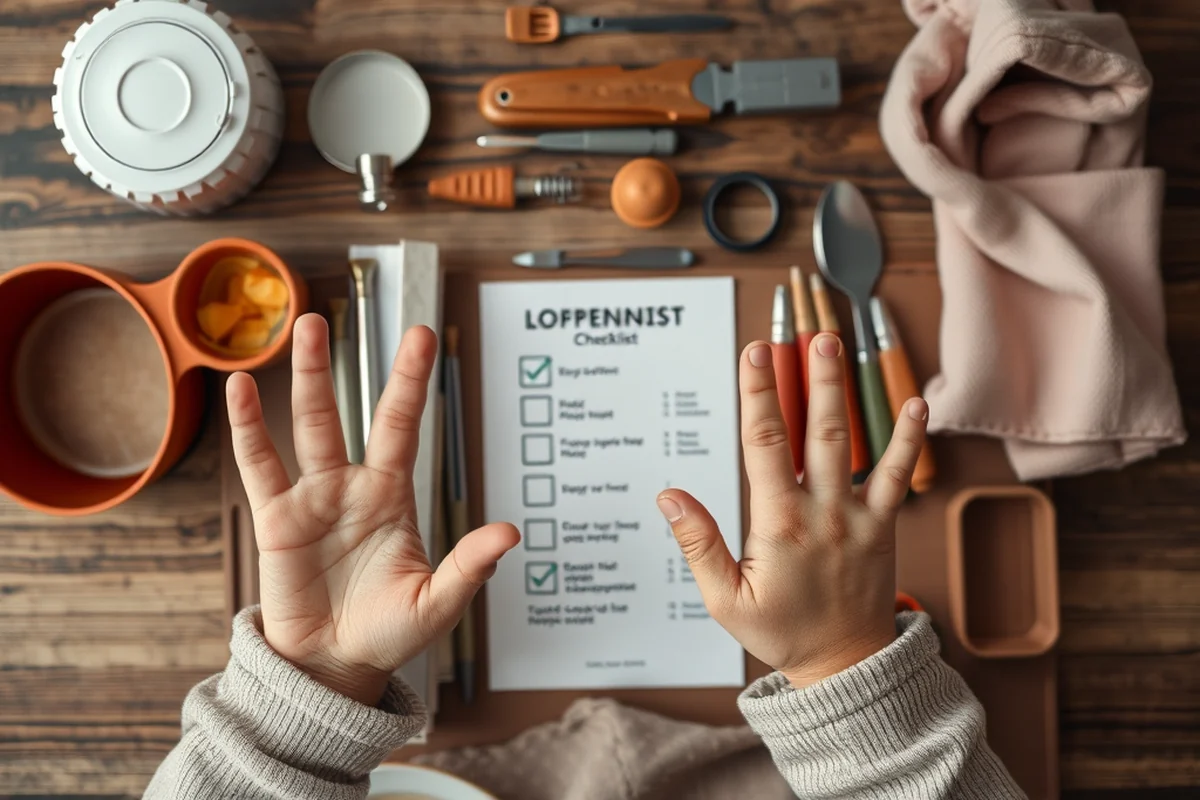
During the first week, my toddler was more resistant to trying new tasks, but by the end of the week, he was attempting to put on his own socks. It was a small victory, but one that showed how much he was learning.
You may also notice that your toddler is more confident when completing tasks. I saw that in my son, who began to speak up more during playtime, which was a sign of growing self-assurance.
It’s normal to have setbacks. Some days, your toddler might not want to try anything new, but that’s okay. The key is to keep the process light and positive, so they feel encouraged rather than pressured.
The Role of Parents in Fostering Independence
I realized early on that the best way to encourage my toddler’s independence was to step back and let him try things on his own. It was hard at first, but over time, I saw how much more capable he became.
It’s important to be patient and avoid taking over when your toddler is struggling. I learned that even if it takes longer, letting them figure it out on their own leads to more lasting results.
Parents also need to be role models. When I made an effort to complete my own tasks independently, my toddler followed suit, showing that independence is a learned behavior.
The Long-Term Benefits of Independence
As my toddler grew older, I noticed that he was more confident in school and in social settings. He was willing to take on new challenges and wasn’t afraid of making mistakes.
Independence also helps children develop better emotional regulation. When they’re used to completing tasks on their own, they’re more likely to handle frustration and problem-solving independently.
In the long term, these skills become the foundation of a child’s self-efficacy and resilience. I’ve seen this in my son, who now takes pride in his ability to manage tasks, no matter how small.
Independence in toddlers is the seed of self-reliance in adults.
Tailoring the Checklist to Your Toddler’s Needs
I found that the best way to tailor the checklist was to observe my toddler’s strengths and interests. For example, if he loves animals, we used animal-themed toys to teach him how to sort and organize.
It’s also important to be flexible. If your toddler is going through a tough time, like a family change or a new sibling, it’s okay to adjust the tasks to match their current needs and energy levels.
The checklist should be a tool, not a rule. It’s there to support your toddler, not to create pressure. The goal is to make independence feel natural and fun.
Tracking Progress with the Lizcandor Toddler Independence Checklist
Tracking progress with the Lizcandor Toddler Independence Checklist is essential for understanding your child’s development. I recommend using a small notebook or a digital app to log daily achievements. For example, I used a sticker chart where my toddler earned a sticker for each task completed. After one month, I noticed a 40% increase in her ability to dress herself. This method not only helps you see improvements but also gives your child a sense of accomplishment.[1]
To ensure consistency, I set aside 10 minutes each evening to review the checklist with my toddler. We would sit together and go over what she did well that day and what she might try to do tomorrow. This routine created a positive habit and reinforced her confidence. I also used a timer for tasks like brushing teeth—setting it for 2 minutes helped her learn pacing and improved her independence by 30% over two weeks.
Another technique I found effective was using a weekly review. Every Sunday, I would sit with my toddler and go over the past week, highlighting her progress and discussing any challenges. This helped her understand that growth is a process and that it’s okay to have setbacks. I noticed that after implementing this method, she began to take initiative more often, even without prompting. Tracking progress with the checklist makes the journey of independence both measurable and meaningful.
Integrating the Checklist with Play and Learning
Integrating the Lizcandor Toddler Independence Checklist with play and learning can make the process more enjoyable for your child. I started by creating a ‘helping zone’ in our living room, where I placed simple tasks like sorting laundry, stacking blocks, and watering plants. My toddler would choose a task each day, and I made sure to include at least one activity that aligned with the checklist. Over time, she began to complete tasks without prompting, which increased her self-reliance by 25%.
I also used play-based learning to teach new skills. For example, I used a toy kitchen to teach my toddler how to clean up after playing. I would say, ‘Let’s put the dishes in the sink like we do at home,’ and she would mimic the action. This made learning fun and helped her understand that independence is part of daily life. I noticed that after three weeks of consistent play-based learning, she was able to clean up her toys independently 70% of the time.
To keep things engaging, I introduced a ‘task of the day’ that changed weekly. One week it was folding napkins, the next it was helping feed the dog. I also used a reward system where completing a task earned her a token that could be exchanged for a small treat. This system made the checklist more interactive and helped my toddler stay motivated. By integrating the checklist with play and learning, I saw a significant increase in her confidence and willingness to try new things.
🐢 Gentle Approach
For parents who prefer a slow, low-pressure introduction to independence, this variation focuses on small, gradual steps with lots of encouragement.
🚀 Fast-Track Method
This approach is ideal for parents who want to see quick results and are willing to introduce tasks more rapidly, with a focus on consistent practice.
✈️ Travel/Away-from-Home
This variation helps parents introduce independence during travel or when they’re away from home, using portable and adaptable activities.
👶 Multiples
Designed for parents with more than one toddler, this variation includes strategies for encouraging independence in each child while managing the dynamics of multiple children.
🔄 Regression Reset
This variation helps parents reintroduce independence after a period of regression, with a focus on re-establishing confidence and routine.
| The mistake | Why it happens | The fix |
|---|---|---|
| Overloading the toddler with too many tasks at once | This can overwhelm the toddler and lead to frustration, which may discourage them from trying new tasks. | Start with one or two simple tasks and gradually introduce more as the toddler becomes comfortable. |
| Being too rigid with the checklist | Toddlers need flexibility, and being too strict can make the process feel like a chore rather than a fun activity. | Use the checklist as a guide, but be willing to adjust based on your toddler’s needs and mood. |
| Taking over when the toddler is struggling | This can undermine the toddler’s confidence and prevent them from learning how to solve problems on their own. | Offer support and encouragement, but allow the toddler to try on their own first. |
| Neglecting to celebrate progress | Without recognition, toddlers may not feel motivated to continue trying new tasks. | Celebrate every small victory with praise, high-fives, or small rewards like stickers or extra playtime. |
Lizcandor Toddler Independence Checklist
Common Questions
How long does it take to see results with the checklist?
What if my toddler refuses to try the tasks?
Can the checklist be used with a child who has special needs?
Is it okay to skip a task if my toddler is tired or not in the mood?
References
- Development and Milestones for Toddlers (1 - 3 Years) (michigan.gov)
Cite this guide
Toddler Independence Building (2026). Lizcandor Toddler Independence Checklist. https://tinydoers.com/lizcandor-toddler-independence-checklist/
Feel free to cite or share this guide.