
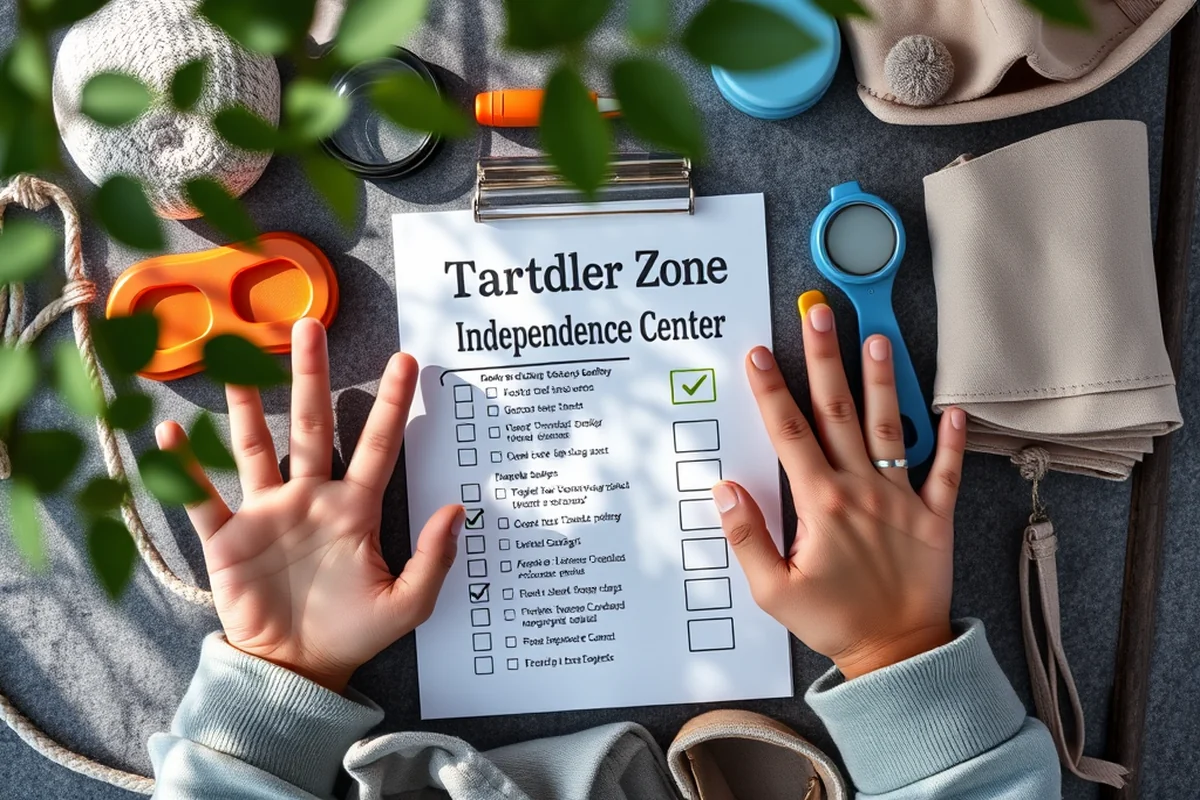
Toddler Zone Independence Center Checklist
📖 Table of Contents
I remember the day my daughter, then 2 years old, proudly walked into the kitchen and asked for a spoon. It was a small moment, but for me, it marked the beginning of her journey toward independence. That moment didn't come out of thin air — it was the result of a deliberate setup I called our 'Toddler Zone Independence Center.' It was a space in our home where she could explore, practice. Take control of simple tasks, like pouring water or wiping up a spill. The 'Toddler Zone Independence Center Checklist' became my go-to guide for creating this safe, empowering area.
Setting up this space wasn't just about letting her explore; it was about building confidence, teaching responsibility, and fostering a sense of autonomy. The checklist helped me think through the essentials: what tools to have on hand, where to place them, and how to encourage her without overstepping. I learned that the key to success wasn't in the amount of space or the number of items — it was in the intention behind each choice. And that’s where the checklist came in, giving me a framework to build something meaningful.
The 'Toddler Zone Independence Center Checklist' became more than just a list of things to buy or organize — it was a blueprint for raising a more self-reliant, curious, and capable toddler. I found that using this checklist, I could guide her through tasks without micromanaging, and I could trust her to make decisions while still being there for support. It was one of the most practical tools I’ve used in parenting, and I want to share that experience with you.[1]
Why You'll Love This Checklist
- It gives you a clear, actionable plan to set up a space that empowers your toddler.
- It simplifies the process of creating a safe, engaging area for learning and growth.
- It helps you avoid common pitfalls by offering tried-and-true strategies.
- It supports the development of essential life skills like cleaning, dressing, and organizing.
What is a Toddler Zone Independence Center?
As of September 2026, the 'Toddler Zone Independence Center' is a small, designated area in your home where your toddler can explore, experiment, and practice basic life skills. This could be a corner of the kitchen, a shelf in the hallway, or even a small table in the living room. It's a place where they can access tools like a step stool, a small sink, or a few toys that require active participation.[2]
When I first set up our zone, I made sure it was close to a bathroom or kitchen sink. That way, my daughter could wash her hands after playing with the toys or clean up spills without needing a lot of help. The idea was to give her a space to be independent, but also one that was safe and accessible.
I found that even a few items — like a small laundry basket, a sponge, and a few picture books — could make this zone feel like a special place. My daughter loved the sense of ownership it gave her, and it helped her feel more responsible and capable.
Use bright colors, add a small rug, and let your toddler choose a picture or sticker to put on the wall of their zone. This personal touch can make the space more inviting and meaningful to them.
Part of our Independence toddler town checklist guide.
How to Choose the Right Location

Choosing the right location for your toddler's independence center is crucial. I chose a corner of our kitchen that was near the sink and had enough space for her to sit and work without getting in the way of others. It was also near a window, which gave her a sense of connection to the outside world.
I made sure the area was free of sharp edges and had soft, non-toxic materials. I also kept it close to a sink so she could wash her hands after playing with the tools. This location made it easy for her to clean up and also helped her feel like she was contributing to the household.
I found that the kitchen was the best place because it was already a hub of activity, and my daughter could watch me while I worked. It also gave her a sense of purpose, as she could help with small tasks like wiping up a spill or organizing the toys.
Location is everything — find a spot that's both functional and comforting.
Related: Independence toddler town alternatives
What Tools Should You Include?
The right tools can make a big difference in how your toddler interacts with their independence zone. I started with a few basic items: a small step stool so she could reach the sink, a sponge for cleaning, and a watering can for watering plants. These tools helped her feel like she was doing real work, even if it was on a small scale.
We also added a small basket for sorting toys and a few picture books that had simple instructions. These items made it easy for her to practice skills like organizing, reading, and following directions. The tools weren't expensive, but they made the zone feel more like a real workspace.
I found that having a variety of tools helped my daughter stay engaged and interested. She loved the sponge, which she used to clean up spills, and the watering can, which she used in our small garden. It was amazing to see her take pride in these small tasks.
Begin with a few essential tools, like a step stool and a small sponge. As your toddler grows and becomes more capable, you can gradually add more tools and activities to the zone.
“I remember the day my daughter, then 2 years old, proudly walked into the kitchen and asked for a spoon.”— Toddler Independence Building editors
Related: Independence elementary school
Setting Boundaries and Rules
Setting clear boundaries and rules is essential for creating a safe and effective independence zone. I established one simple rule: 'You can only use the tools in the zone when you're in the zone.' This helped my daughter understand that the zone was her space. It also helped her stay focused on the tasks at hand.
I also made sure she knew that she couldn't use the tools outside of the zone. This helped reinforce the idea that the zone was a special place with its own rules. I found that this rule helped her stay in control of her actions and made the zone more meaningful to her.
I also made it clear that she needed to clean up after herself. This helped her develop a sense of responsibility and taught her that she was in charge of maintaining the space. It was a small but important lesson in accountability.
Related: Lizcandor toddler independence checklist
Encouraging Independence Through Play
Play is a powerful way to encourage independence in toddlers. I used play-based activities like sorting games, puzzle challenges, and storytelling to help my daughter practice her skills. These activities helped her stay engaged and made learning feel like fun.
I also introduced simple role-play scenarios, like pretending to be a chef or a gardener. These scenarios helped her practice skills like following directions, using tools, and organizing her space. It was amazing to see her take on these roles with confidence.
I found that play-based activities helped my daughter stay motivated and interested. She loved pretending to be a chef, and she would use the sponge to clean up after herself. It was a way for her to practice skills in a fun and engaging way.
Monitoring Progress and Adjusting as Needed
Monitoring your toddler's progress is an important part of setting up an independence zone. I made it a point to check in with my daughter every few days to see how she was doing. This helped me understand what she was finding easy and what she needed more help with.
I also adjusted the setup based on what I observed. For example, when I noticed that she was struggling with the watering can, I added a smaller version for her to use. This helped her feel more confident and capable in the zone.
By regularly checking in, I was able to support my daughter's growth and make sure the zone remained a place where she could continue to learn and develop new skills. It was a great way to see how far she had come and where she still needed help.
Check in regularly — it's the best way to support your toddler's growth.
Making It a Family Activity
Involving the whole family in the independence zone can help create a sense of shared purpose and support. I made it a point to include my husband and even my parents in the setup. This helped my daughter feel like she had the support of the entire family, and it also made the zone a more inclusive space.
We would all take turns helping her with tasks like organizing the zone or cleaning up after herself. This helped her feel like she was part of a team, and it also helped her develop a sense of responsibility. It was amazing to see how she responded to the support from her family.
I found that involving the family helped my daughter feel more confident and supported. It also made the zone a more engaging place, as she could see that her family was all in on the idea of her growing more independent.
🌱 Gentle Approach
For parents who prefer a slow, gradual introduction to independence, using the checklist as a guide while allowing the toddler to explore at their own pace.
🚀 Fast-Track Method
For parents who want to set up the independence zone quickly with a few key items and a clear plan, allowing for immediate engagement and learning.
🧳 Travel/away-from-home
For families who are often on the go, using a portable version of the independence center checklist to support learning and independence during trips or visits.
👶 Multiples Approach
For parents with more than one toddler, using the checklist to create multiple zones or shared spaces that cater to the needs of each child.
🔄 Regression Reset
For parents who are dealing with a regression in their toddler's independence, using the checklist to revisit and reinforce skills that the toddler may have forgotten.
| The mistake | Why it happens | The fix |
|---|---|---|
| Putting too many tools in the zone at once | This can overwhelm the toddler and make it hard for them to focus on any one task. | Start with a few essential tools and gradually add more as your toddler becomes more comfortable with the space. |
| Not setting clear boundaries or rules | This can lead to confusion and may make the independence zone feel like a place where anything goes. | Establish clear, simple rules from the beginning and reinforce them consistently. |
| Trying to make the zone too perfect | This can make the zone feel less engaging and may discourage the toddler from exploring and experimenting. | Embrace imperfection and allow for messes — it's part of the learning process. |
| Not checking in on your toddler's progress | This can lead to missed opportunities for support and growth. | Make it a habit to check in regularly and adjust the zone as needed based on what you observe. |
Toddler Zone Independence Center Checklist
Common Questions
How long should I expect my toddler to spend in the independence zone each day?
What should I do if my toddler doesn't seem interested in the independence zone?
Can I use the independence zone as a reward for good behavior?
How often should I update the tools and activities in the independence zone?
References
- Tips for Keeping Children Safe: A Developmental Guide - Toddlers (headstart.gov)
- PDF Infant/Toddler Resource Guide: Professional Development Providers - HHS.gov (childcareta.acf.hhs.gov)
Cite this guide
Toddler Independence Building (2026). Toddler Zone Independence Center Checklist. https://tinydoers.com/toddler-zone-independence-center-checklist/
Feel free to cite or share this guide.