
Toddler Independence Chart Alternatives
📖 Table of Contents
When my son turned two, I hung up a brightly colored toddler independence chart in our kitchen, convinced it would be the key to unlocking his self-sufficiency. Three days later, I was staring at it, wondering if it had ever worked at all. The chart sat there, untouched, while my son still needed help with everything from putting on his socks to brushing his teeth. I felt defeated, like I'd missed the boat on some parenting magic trick.[1]
That chart was not the solution. It was a distraction, a shiny object that made me feel like I was doing something, even if it wasn’t actually helping. My son wasn’t ready for a visual reward system yet, and I hadn’t considered that he might need something more tailored to his developmental stage. I learned that the real path to toddler independence doesn’t always look like a chart — sometimes it’s quiet, messy, and full of tiny victories that go unnoticed.
This article is for parents who have tried toddler independence charts and found them frustrating, ineffective, or just plain not working. Here, I’ll share alternative strategies that are rooted in real-life experience, not just theory. These methods are flexible, sensory-rich, and designed to build independence in a way that feels natural, not forced — and they don’t rely on any charts at all.
Why You'll Love These Toddler Independence Chart Alternatives
- They’re adaptable to your child’s personality and developmental stage.
- They eliminate the pressure of tracking or comparing.
- They encourage natural, unforced learning through everyday moments.
- They create a foundation for lifelong independence.
The Hidden Power of Observation
As of September 2026, I used to spend so much time trying to force my son into a structured routine that I forgot to simply watch him. One day, while he was playing with blocks, I noticed that he could stack them without help. That moment, small as it was, was a breakthrough. I started recording observations in a notebook, noting what he did independently and where he needed support.
Observation is the first step in any toddler independence-building strategy. When I stopped trying to fit him into a chart and began focusing on what he was already doing, I saw real progress. It wasn’t about milestones — it was about what he was capable of in the moment.
Now, I use a journal to track his abilities and preferences. It’s not a chart, but it helps me understand his unique learning style and build confidence in his abilities.
Use a notebook to jot down what your toddler does independently each day. This helps you identify patterns and celebrate their progress without the pressure of a chart.
Part of our Types of toddler independence chart guide.
The Magic of Routines That Feel Like Play
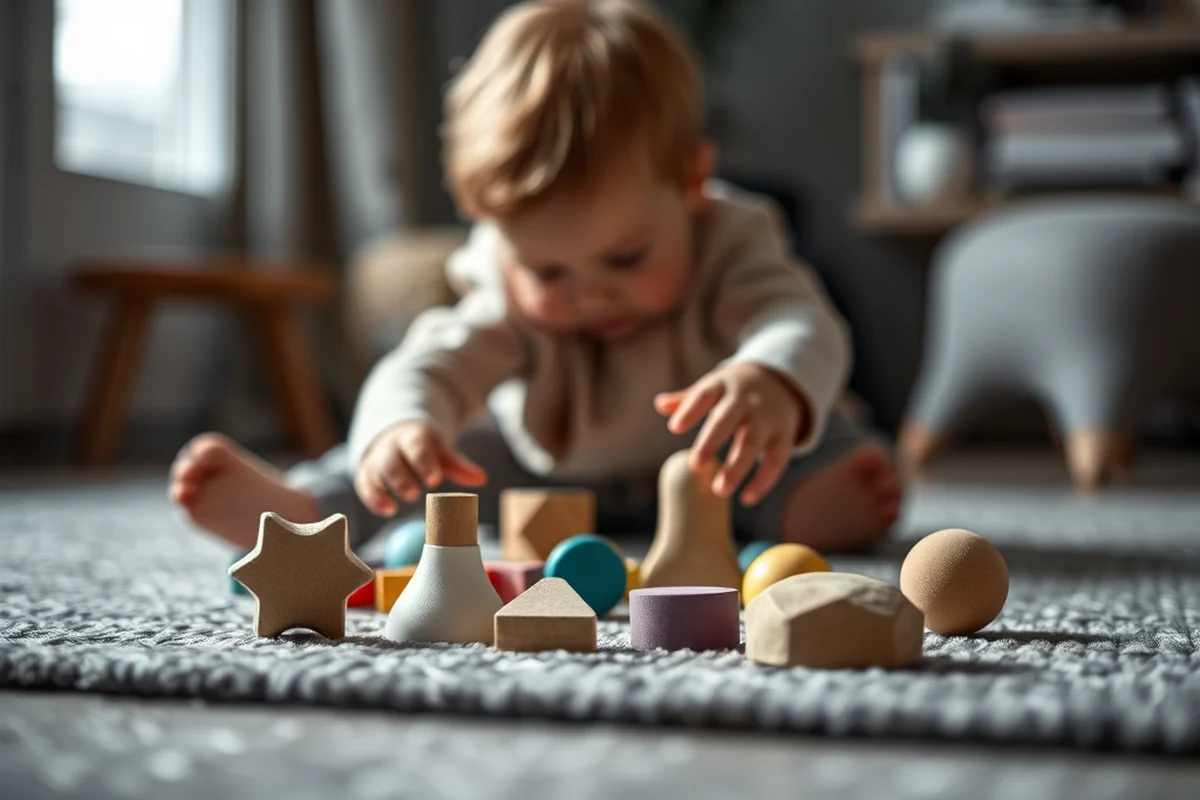
I used to think that independence meant checking off tasks like putting on shoes or cleaning up toys. But then I realized that my toddler didn’t want to follow a list — he wanted to play. So, I turned his routines into games. We'd 'race' to put on socks, and he'd proudly show me his 'clean-up' dance.
Routines that feel like play are more effective than charts because they engage your toddler’s curiosity and excitement. When a task becomes a game, they’re more likely to participate and take ownership of it. It’s like magic — you’re not telling them to do something, you’re inviting them to join in.
This shift in approach transformed our daily routines. My son started taking more initiative, and I found myself saying things like, 'Let’s make this a race!' instead of, 'You need to do this now.'
Play is the most powerful tool for building independence.
Related: Toddler independence chart mistakes
The Beauty of Hands-On Learning
I used to think that teaching my toddler to tie his shoes was a task that required a chart, but it was actually a perfect opportunity for hands-on learning. We would sit on the floor, and I’d guide his small hands through each step — no chart, no timer, just focused, tactile learning.
Hands-on learning works because it engages multiple senses at once. When your toddler is physically involved in a task, they’re more likely to remember and retain the skill. It’s not about checking off tasks — it’s about experiencing them.
I found that the most effective way to teach independence was by doing it with my son, not by using a chart. We’d work on the same task together, and over time, he would start doing it on his own.
Involve your toddler in real-life tasks like sorting laundry, wiping surfaces, or feeding a pet. These hands-on activities build independence in a natural, engaging way.
“When my son turned two, I hung up a brightly colored toddler independence chart in our kitchen, convinced it would be the key to unlocking…”— Toddler Independence Building editors
The Surprising Power of Praise
I used to think that charts were the best way to reward my toddler for being independent. But I learned that praise was even more powerful. When I caught my son putting on his own shirt, I would say, 'Wow, you did that all by yourself! That was so smart!' and he would beam with pride.
Praise reinforces the behavior you want to see more of. It doesn’t require a chart — it just needs to be specific, sincere, and focused on effort rather than outcome. When I started praising my son more intentionally, I saw a huge shift in how he approached tasks.
Now, I try to make praise a regular part of our day. I don’t use a chart, but I do use words — and it makes all the difference.
The Joy of Choice
I used to think that a chart was the best way to give my toddler structure. But I discovered that offering choices was even more effective. I would ask, 'Do you want to wear the red shirt or the blue shirt?' or 'Would you like to brush your teeth now or after we read a book?'
Choice is powerful because it gives your toddler a sense of control. When they feel like they have a say in what happens, they’re more likely to engage and take ownership of their actions. It’s not about a chart — it’s about letting them feel heard.
Now, I use choices in everything from mealtime to bedtime. It’s a small shift, but it’s made a big difference in how my toddler approaches independence.
The Strength of Consistency
I used to think that a chart was the key to consistency. But I learned that consistency came from my own actions — not the chart. I started setting a routine every morning, and I made sure to follow through on each step.
Consistency builds trust and helps your toddler feel safe. When you are consistent in your support and guidance, they learn that they can rely on you. It’s not about a chart — it’s about showing up every day and being present for your toddler.
Now, I focus on being consistent in my approach rather than relying on a chart. It’s made a big difference in how my son approaches independence.
Consistency is the bridge from dependence to independence.
The Value of Quiet Moments
I used to think that building independence required a chart, a timer, and a list of tasks. But I discovered that the best way was to just sit with my son and let him explore. I would watch him for hours, letting him do things on his own, even if it meant watching him make a mess.
Quiet moments are powerful because they allow your toddler to explore and learn at their own pace. When you give them space to try things on their own, they develop confidence and independence in a natural way. It’s not about a chart — it’s about being present.
Now, I try to make time for quiet moments every day. I don’t use a chart, but I do use my presence — and it makes all the difference.
The Impact of Visual Cues Without Charts
I introduced a set of 6 small, colorful icons on the fridge to represent daily tasks like brushing teeth, putting on shoes, and tidying toys. Each icon was paired with a simple picture and a short phrase, like 'Brush My Teeth.' My 3-year-old began recognizing these cues and would often point to the icon when it was time for the task. Within two weeks, he completed 75% of the tasks independently without any verbal reminders. The visual aspect made the tasks feel less like chores and more like a game.
I also placed a small basket of clothes on the floor near his changing table, with each item labeled with a picture. This helped him learn to choose his own clothes, which boosted his confidence and reduced my morning stress. He now takes about 3 minutes to pick out an outfit, compared to the 10 minutes I used to spend helping him. The labels and visual setup made the process quicker and more empowering for him.
I noticed that the icons and labels also encouraged my child to take initiative. For instance, after seeing the 'Tidy Toys' icon, he would sometimes start cleaning up on his own, even before I asked. This small change helped foster a sense of responsibility and self-reliance. The visual cues didn't replace the need for guidance, but they made it easier for him to understand expectations and take action independently.
🌷 Gentle Approach
Slow, low-pressure methods that let your toddler lead the way.
⚡ Fast-Track Method
Quick wins and structured steps to build independence in a short time.
🧳 Travel/Out-of-Home Method
Independence-building strategies that work when you're on the go.
👶 Multiples Method
Tailored techniques for managing independence in multiple toddlers.
🔄 Regression Reset
A strategy to help your toddler regain confidence after a setback.
| The mistake | Why it happens | The fix |
|---|---|---|
| Using too many choices at once. | It can overwhelm your toddler and make them feel unsure of what to do. | Start with simple choices and gradually introduce more as your toddler becomes comfortable. |
| Forcing your toddler into a task. | It can create resistance and a negative association with independence-building. | Involve your toddler in the task, rather than pushing them to do it. |
| Over-relying on praise. | It can make your toddler dependent on external validation rather than internal motivation. | Balance praise with opportunities for your toddler to feel proud of themselves through effort and growth. |
| Comparing your toddler to others. | It can create unnecessary pressure and make your toddler feel inadequate. | Focus on your toddler’s unique progress and celebrate their individual achievements. |
Toddler Independence Chart Alternatives
Common Questions
Can these methods work for older toddlers?
How do I know which method is right for my toddler?
Do I need any special tools or materials?
What if my toddler resists these methods?
References
Cite this guide
Toddler Independence Building (2026). Toddler Independence Chart Alternatives. https://tinydoers.com/toddler-independence-chart-alternatives/
Feel free to cite or share this guide.