
Top Toddler Showing Independence
📖 Table of Contents
- What Does Independence Mean for a Toddler?
- How to Encourage Your Toddler to Be Independent
- The Power of Routine in Building Independence
- The Role of Praise in Building Independence
- How to Handle Setbacks When Encouraging Independence
- The Importance of Modeling Independence
- The Long-Term Benefits of Encouraging Independence
- Make It Your Way
- Frequently Asked Questions
I still remember the exact moment my son, then 2 years old, walked up to the kitchen counter and asked for a spoon to help me stir the pancake batter. It wasn’t just a request—it was a declaration of independence. That moment was both thrilling and terrifying. I had spent weeks trying to encourage him to do things on his own, and suddenly, he was doing it. That's when I realized that fostering toddler independence isn't just about letting them do things—it's about guiding them through the process with patience and purpose.
As a parent, I've learned that independence in toddlers isn't just about picking up toys or putting on shoes. It's about recognizing and nurturing their ability to make choices, solve small problems, and feel confident in their abilities. I’ve spent time observing, experimenting, and even making mistakes, but what I’ve found is that the key lies in creating safe spaces for them to explore and practice their skills. This article is a culmination of that journey, filled with real-life strategies and insights that have helped my child—and others like him—grow with confidence.
If you're reading this, it's likely because you're wondering how to help your toddler show more independence. The answer is more nuanced than simply letting them ‘do it themselves’ all the time. It's about timing, structure, and most importantly, trust. I’ve seen the difference that small, consistent changes can make in a child’s life. And I know that with the right tools and mindset, you can help your toddler on the path to independence, too.
Why You'll Love This Approach to Toddler Independence
- You’ll see progress in your toddler’s self-confidence and problem-solving skills.
- You’ll reduce power struggles by giving your toddler a sense of control.
- You’ll build a foundation for future independence, like self-care and academic skills.
- You’ll feel more relaxed as a parent, knowing your toddler is learning to be self-reliant.
What Does Independence Mean for a Toddler?
As of September 2026, for many parents, the idea of toddler independence can feel overwhelming. But it doesn’t mean your child should be doing everything on their own. Instead, it’s about providing opportunities for them to try, even if they struggle. I’ve found that the best way to support this is through small, manageable tasks. For example, letting your toddler choose their clothes, help with simple chores, or even feed themselves. These moments build confidence and teach them that they can handle challenges.[1]
I remember when my daughter, who was 2 years old, wanted to put on her own shoes. The laces were too tight, and she kept tripping. Instead of stepping in immediately, I waited and gave her space to figure it out. After a few minutes, she managed to tie the laces on her own, even if they were a bit loose. That moment was a win for her, and it taught me that independence is a process, not an instant achievement.
It's important to understand that independence in toddlers isn’t about perfection. It’s about trying, failing, and trying again. By creating a safe and supportive environment, you’re helping your toddler build the skills they need to handle the world with confidence.
Give your toddler opportunities to practice new skills in a low-pressure environment. For example, let them help set the table or pick out their clothes. Even if they make mistakes, it’s a chance to learn and grow.
Part of our Toddler showing independence comparison guide.
How to Encourage Your Toddler to Be Independent
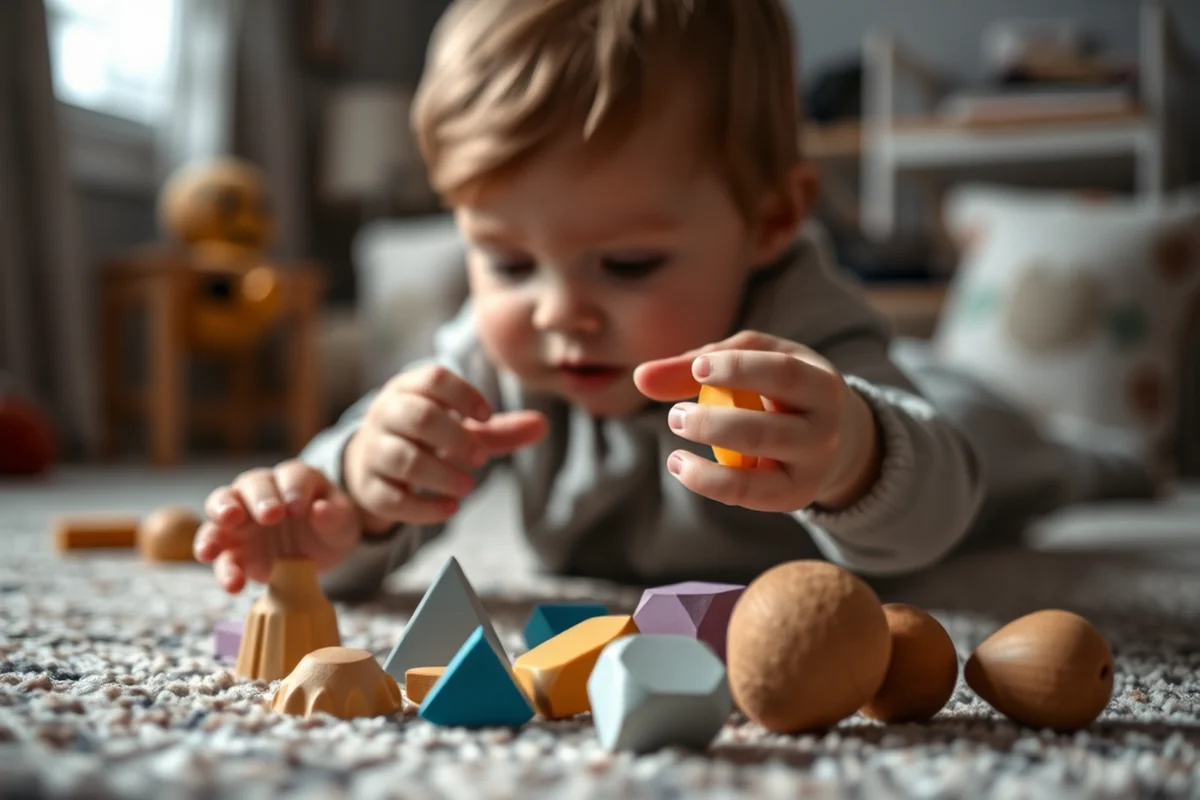
Encouraging independence starts with giving your toddler options. Instead of saying, 'You need to put your shoes on now,' try saying, 'Which shoes would you like to wear today?' This simple change can make a big difference in how your toddler approaches tasks. I’ve noticed that when I offer choices, my son is more willing to try new things, even if they’re a bit challenging.
Another way to encourage independence is by letting your toddler solve small problems on their own. If they’re struggling with a puzzle, instead of stepping in to help, I’ll ask, 'What can you do next?' This not only helps them think critically but also builds their self-confidence. It’s amazing how much they can accomplish when given the chance.
Of course, it's important to offer support when needed. I’ve learned that being a calm, present parent who’s ready to help without taking over is key. It’s about finding that balance between independence and support, which is something I’ve had to practice and refine over time.
Let them try, even if they don’t get it right the first time.
Related: Cheap toddler showing independence
Related: Toddler learning independence comparison
Related: Toddler independence day craft comparison
Related: Toddler sports independence mo comparison
Related: Top Montessori Toddler Independence
Related: Toddler Showing Independence Checklist
The Power of Routine in Building Independence
I’ve come to realize that a predictable routine is one of the most powerful tools for building toddler independence. When your toddler knows what to expect, they’re more likely to feel confident and capable. For example, my son now knows that after breakfast, it’s time for teeth brushing, followed by a story. He’s learning to take ownership of these tasks, even if he still needs some encouragement.
I’ve also noticed that routines help toddlers develop self-regulation skills. When they know what comes next, they’re less likely to get overwhelmed or frustrated. This has been especially helpful during transitions, like moving from playtime to bedtime. A consistent routine gives them a sense of control and helps them build the skills they need for the future.
Creating a routine doesn’t mean everything has to be perfect. It just means being consistent with the structure. I’ve found that even small changes, like setting a timer for bathroom time or having a specific spot for their toys, can make a big difference in how my toddler approaches tasks.
Create a visual schedule with pictures or icons to help your toddler understand the daily routine. This can be especially helpful for children who are still learning to follow directions and manage their time.
“I still remember the exact moment my son, then 2 years old, walked up to the kitchen counter and asked for a spoon to help…”— Toddler Independence Building editors
Related: Toddler books about independence comparison
The Role of Praise in Building Independence

I’ve learned that praise is one of the most effective ways to build a toddler’s sense of independence. When I notice my son trying something on his own, even if he doesn’t get it right, I make sure to acknowledge his effort. I might say something like, 'Wow, you worked really hard to put on your shoes by yourself!' This helps him see that his effort matters and encourages him to try again.
It’s important to focus on the process rather than the outcome. Instead of saying, 'Great job!' after a task is completed, I like to say, 'I saw how you kept trying until you got it right!' This helps my son understand that effort and persistence are what truly matter. Over time, he’s become more willing to take on challenges because he knows his hard work is noticed and appreciated.
Praising your toddler’s independence doesn’t mean you have to overdo it. It’s about being specific and genuine. When you recognize their efforts, it builds their confidence and helps them feel more capable. This is something I’ve had to practice, but it’s made a real difference in my child’s development.
How to Handle Setbacks When Encouraging Independence
Encouraging independence can be frustrating, especially when your toddler struggles. I’ve had moments where I wanted to step in and fix things, but I’ve learned that it’s better to let them work through the problem. For example, when my son tried to put together a puzzle and kept getting frustrated, I let him take a break and then came back to it later. This taught him that it’s okay to struggle and that persistence pays off.
Setbacks are a natural part of learning, and it’s important to stay calm and supportive. Instead of getting upset, I’ve found that it helps to model problem-solving by saying things like, 'Hmm, this is tricky. What can we do next?' This not only helps my toddler think through the problem but also shows them that it’s okay to ask for help when needed.
I’ve also learned that it’s important to avoid taking setbacks personally. My toddler isn’t trying to upset me—it’s just a part of the learning process. By staying patient and encouraging, I’ve been able to help my son see setbacks as opportunities to grow and improve.
The Importance of Modeling Independence
I’ve come to realize that modeling independence is one of the most powerful ways to encourage it in my toddler. When I take time to do things on my own, like making my own lunch or putting on my own socks, my son watches and learns. He starts to see that independence is a skill that can be practiced and developed over time.
It’s also important to be honest about my own struggles. I’ve found that when I admit that I sometimes need help, it helps my toddler understand that it’s okay to ask for support. This teaches them that independence doesn’t mean doing everything alone, but rather knowing when to ask for help and when to try on their own.
Modeling independence doesn’t mean I have to be perfect. It means showing my toddler that I’m capable and confident in my abilities, even when things don’t go as planned. This has helped my son feel more secure and supported as he works on his own independence.
Show them how it’s done, then let them try.
The Long-Term Benefits of Encouraging Independence
One of the most rewarding parts of encouraging independence in my toddler is seeing the long-term benefits. My son is now more confident in his abilities and more willing to try new things. He’s also developed better problem-solving skills, which have helped him in both academic and social settings.
I’ve noticed that my toddler is more self-reliant in everyday situations, like dressing himself or cleaning up after playing. This not only makes life easier for me as a parent but also helps him feel more capable and confident. These skills are crucial for his future, and I’m glad we started building them early.
It’s also important to remember that the benefits of independence go beyond just practical skills. They help toddlers develop a sense of self-worth and resilience that will carry them through life. By encouraging independence now, we’re setting them up for success in the future.
🌱 Gentle Approach
A slow, nurturing method that focuses on building confidence through small, manageable tasks.
🚀 Fast-Track Method
A more direct approach that encourages toddlers to take on tasks quickly and independently.
✈️ Travel/Away-from-Home Strategy
Tips for maintaining independence in toddlers while on the go, such as packing their own bag or choosing their own snacks.
👶 Multiples Approach
Strategies for helping toddlers in a multiple-child household practice independence without competing for attention.
🔄 Regression Reset
A way to help toddlers regain their sense of independence after a setback or developmental regression.
| The mistake | Why it happens | The fix |
|---|---|---|
| Taking over too quickly when your toddler is struggling. | This can make your toddler feel that they’re not capable of doing things on their own, which can hinder their confidence and independence. | Wait a few minutes before stepping in. Give your toddler time to try on their own, and only offer help if they ask for it. |
| Overpraising your toddler without focusing on effort. | This can lead to a false sense of accomplishment and may not reinforce the real skills they’re learning. | Praise your toddler’s effort and persistence, not just the outcome. Focus on the process rather than the result. |
| Not being consistent with routines. | Inconsistency can make it harder for your toddler to develop a sense of security and predictability, which are crucial for building independence. | Create a consistent daily routine and stick to it as much as possible. Use visual schedules to help your toddler understand what comes next. |
| Ignoring your toddler’s attempts to be independent. | This can make them feel that their efforts don’t matter, which can discourage them from trying again in the future. | Notice and acknowledge your toddler’s attempts to be independent. Even if they don’t get it right the first time, let them know that their effort is valued. |
Top Toddler Showing Independence
Common Questions
How can I help my toddler be more independent without overwhelming them?
What should I do if my toddler refuses to try new things?
How can I encourage independence without making my toddler feel like they’re being criticized?
What if my toddler struggles with following routines?
References
- Family Centered Case Practice for Frontline Case Managers Training (dfcs.georgia.gov)
Cite this guide
Toddler Independence Building (2026). Top Toddler Showing Independence. https://tinydoers.com/top-toddler-showing-independence/
Feel free to cite or share this guide.