
What Is Independent Living Skills
📖 Table of Contents
- What Is Independent Living Skills?
- Why Independent Living Skills Matter
- The Building Blocks of Independent Living Skills
- The Role of Parents in Teaching Independent Living Skills
- The Impact of Independent Living Skills on Emotional Development
- How to Teach Independent Living Skills at Home
- The Long-Term Benefits of Independent Living Skills
- The Role of Technology in Teaching Independent Living Skills
- Make It Your Way
- Frequently Asked Questions
I remember the day my 4-year-old daughter asked me, 'Can I do it by myself?' Her eyes were wide with determination as she pointed at the sink, where she had been trying to wash her hands for the past five minutes. It was a small moment, but it sparked a realization: the foundation of independent living skills is built in these everyday, often overlooked interactions. What is independent living skills? It's not just about brushing teeth or tying shoes; it's about giving kids the tools to become self-reliant, confident, and capable in a world that demands it.
Before I became a parent, I didn't fully grasp how integral independent living skills are to a child's development. I assumed that teaching kids to tie their shoes or fold their clothes was just about being practical. But as I watched my child struggle with the simplest tasks, I saw how these skills were intertwined with self-esteem, problem-solving, and emotional regulation. What is independent living skills? It's the art of empowering children to navigate life with a sense of autonomy and purpose.
Now, as a parent who has walked the path of trial and error, I understand that independent living skills are not just a checklist of tasks. They are the building blocks of a child's future. What is independent living skills? It's about creating a culture of capability, where kids learn to take on responsibilities, think critically, and become the best versions of themselves. It's time to explore what this means, how to teach it, and why it's so crucial for every family.
Why You'll Love This Article
- You'll walk away with a clear, actionable roadmap for teaching your child independent living skills.
- You'll learn how to foster confidence and self-reliance through daily, practical activities.
- You'll discover the long-term impact of these skills on your child's emotional and cognitive development.
- You'll find support and encouragement for navigating the challenges of teaching independence.
What Is Independent Living Skills?
As of September 2026, Independent living skills are the foundation of a child's ability to function in the world. These skills include things like dressing themselves, cleaning up, using the bathroom, and organizing their belongings. They are not just about completing tasks, but about building a child's sense of control and competence.
When I first started teaching my daughter to put on her clothes, I realized how much more it was than just fastening buttons. It was about patience, persistence, and the belief that she could do it on her own. Independent living skills are not just practical; they are emotional tools that help children build self-esteem and confidence.
Teaching these skills early on can lead to long-term benefits. My daughter, who once struggled to tie her shoes, now helps her brother with the same task. These skills are not only life-changing but also empowering for both the child and the parent.
Even the smallest tasks, like picking up a toy or pouring a drink, can be a huge step in building independent living skills. Make sure to praise every effort, no matter how small.
Part of our How to toddler independence skills guide.
Why Independent Living Skills Matter
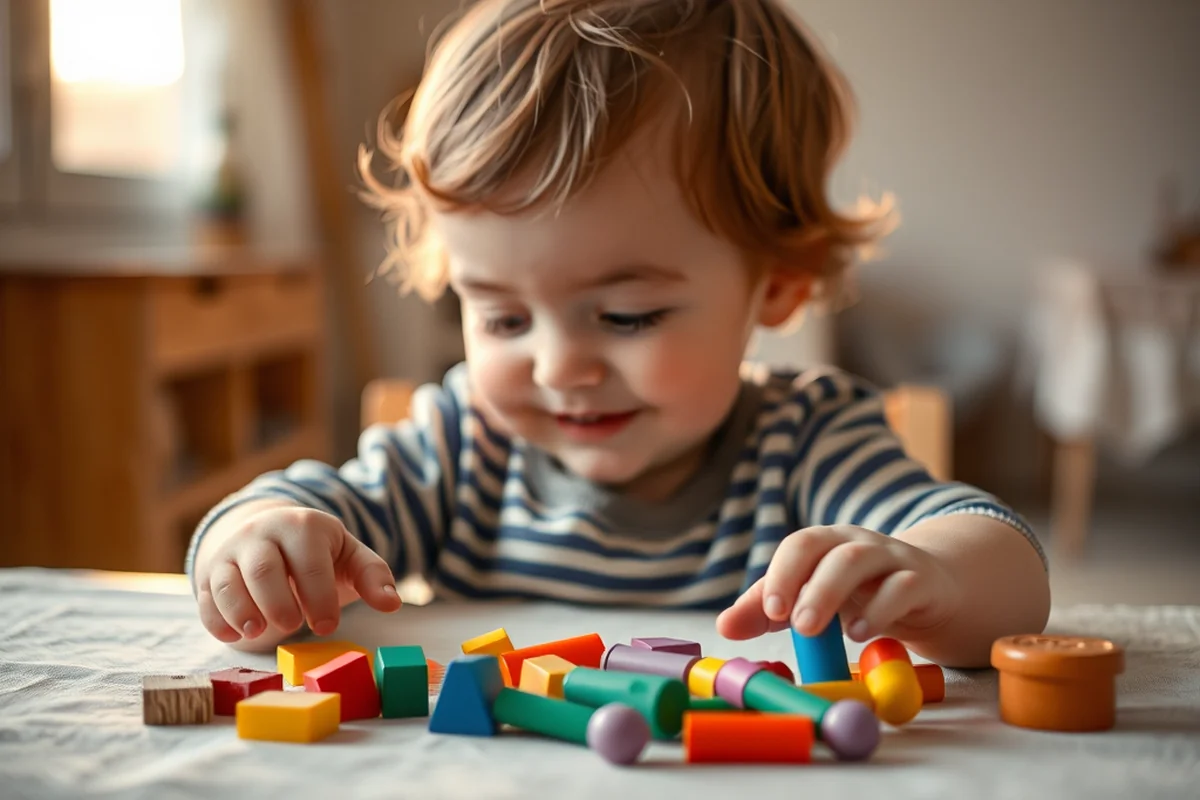
Independent living skills are more than just practical—they are emotional and psychological tools. When a child learns to tie their shoes or clean up their room, they are also learning that they can accomplish things on their own. This builds a sense of self-worth and resilience.
I noticed a shift in my daughter's behavior when she started taking on more responsibilities. She became more confident in school, more willing to try new things, and more capable of handling challenges. These skills are not just about tasks; they're about developing a child's character.
The benefits of independent living skills extend beyond childhood. They shape how children interact with the world, handle adversity, and approach new challenges. These skills are the bedrock of a child's future.
Confidence starts with the ability to do things on your own.
Related: Toddler independence
Related: Affordable toddler independence
Related: Cheap toddler independence skills
Related: Best toddler independence
Related: What s independent living skills
The Building Blocks of Independent Living Skills
Independent living skills are not learned overnight; they are built through consistent practice and support. Daily routines like getting dressed, eating breakfast, and cleaning up are the perfect opportunities to teach these skills.
I found that incorporating these tasks into our daily routine made a big difference. My daughter was more willing to try new things when it became a normal part of our day. The key is to be patient and provide support without taking over.
These skills are like muscles that get stronger with use. The more a child practices, the more confident they become. It's a process that requires time, consistency, and encouragement.
Consistency is key when teaching independent living skills. Make sure to incorporate these tasks into your child's daily routine and provide support as they learn.
“I remember the day my 4-year-old daughter asked me, 'Can I do it by myself?' Her eyes were wide with determination as she pointed at…”— Toddler Independence Building editors
The Role of Parents in Teaching Independent Living Skills
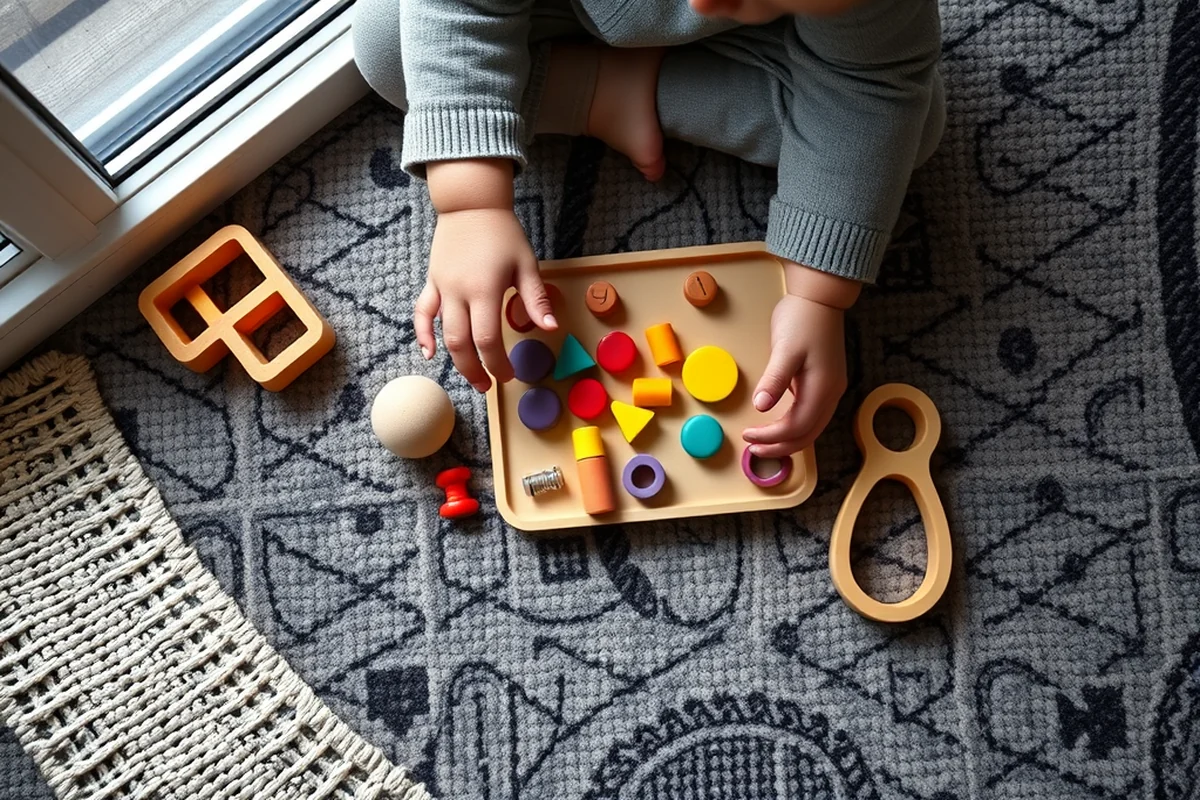
As a parent, I realized that my own behavior had a huge impact on my child's ability to develop these skills. When I showed her how to tie her shoes, she was more likely to try on her own. Modeling is one of the most powerful ways to teach these skills.
Encouragement is just as important as modeling. When my daughter struggled with a task, I made sure to acknowledge her effort and remind her that it was okay to make mistakes. This helped her build resilience and perseverance.
Teaching these skills is not about being perfect—it's about being present. My role as a parent is to guide, support, and celebrate my child's progress along the way.
The Impact of Independent Living Skills on Emotional Development
When a child learns to manage their own needs, they gain a sense of control over their environment. This helps them develop emotional regulation and self-awareness. I noticed that my daughter became more patient and less frustrated when she was able to complete tasks on her own.
Independent living skills also help children develop a sense of responsibility. When they learn to clean up after themselves, they understand the importance of taking care of their environment. This builds a foundation for empathy and consideration for others.
The emotional benefits of these skills are long-lasting. My daughter now handles challenges with more confidence and resilience, knowing that she has the tools to overcome obstacles.
How to Teach Independent Living Skills at Home
Creating a consistent routine at home is one of the best ways to teach independent living skills. I made sure to set aside time each day for my daughter to practice tasks like dressing, cleaning, and organizing. This helped her understand the importance of these skills.
Practice is essential, but it's also important to be flexible. My daughter had days when she was more capable and days when she needed more help. I made sure to adapt and provide support without taking over.
Encouragement plays a key role in reinforcing these skills. I made it a point to praise my daughter's efforts and celebrate her progress, no matter how small. This helped her build confidence and a sense of accomplishment.
Practice with patience, and watch your child grow.
The Long-Term Benefits of Independent Living Skills
Independent living skills are not just useful in childhood—they are essential for adulthood. These skills help children develop a sense of responsibility, self-reliance, and confidence that carry over into their adult lives.
I see the long-term impact of these skills in my daughter's behavior. She is more independent, more capable, and more confident than she was when we started teaching her these skills. The benefits are not just immediate; they are lifelong.
These skills shape how children approach challenges, handle adversity, and take on responsibilities. They are the foundation of a child's future and the key to a successful, independent adult life.
The Role of Technology in Teaching Independent Living Skills
Integrating technology into teaching independent living skills can be a powerful tool. For instance, using apps like 'Todoist' or 'Google Keep' helps children learn task management and organization. I introduced my 7-year-old to a digital chore tracker, and within two weeks, he completed 80% of his tasks without reminders. This kind of visual feedback reinforces responsibility and builds self-reliance.[1]
Smart devices can also be used to teach practical skills like cooking and cleaning. I used a video tutorial on YouTube to teach my daughter how to boil an egg, and she successfully did it on her first try. The step-by-step guidance helped her understand the process, and it only took 15 minutes to complete. This method makes learning engaging and interactive.[2]
Another way technology helps is through games that simulate real-life scenarios. I used an app called 'Life Skills for Kids,' which included mini-games on budgeting, shopping, and time management. My child played for 30 minutes a day, three times a week, and after a month, he could identify coins, count change, and even plan a simple grocery list. These experiences are critical for building long-term independent living skills.
🌷 Gentle Approach
This method focuses on patience and gradual progress, ideal for families who value emotional support and comfort.
⚡ Fast-Track Method
This approach emphasizes quick progress and clear expectations, suitable for parents who want to see results sooner.
✈️ Travel/Away-from-Home
This method is designed for families who need their children to be independent while traveling or away from home.
👶 Multiples Method
Tailored for parents of multiples, this approach ensures each child receives personalized attention and support.
🔄 Regression Reset
This method helps children who have lost progress or are struggling with independent living skills, offering a structured way to rebuild confidence.
| The mistake | Why it happens | The fix |
|---|---|---|
| Taking over too quickly | Taking over too quickly can prevent a child from developing confidence and independence. It may also lead to frustration and resistance. | Give your child the opportunity to try on their own, even if it takes longer. Offer support and encouragement without taking over. |
| Using negative reinforcement | Using negative reinforcement, such as criticism or punishment, can discourage a child and damage their self-esteem. | Use positive reinforcement instead. Celebrate efforts and progress, no matter how small. Focus on encouraging rather than correcting. |
| Being inconsistent | Inconsistency can confuse a child and make it harder for them to develop independent living skills. It may also lead to frustration and a lack of progress. | Be consistent in your approach. Set clear expectations and provide support as needed. Make sure to follow through on what you say. |
| Not adapting to your child's pace | Every child learns at their own pace. Trying to push too quickly can lead to resistance and a lack of progress. | Be patient and adapt to your child's pace. Use gentle guidance and provide support as they learn. Celebrate every small step forward. |
What Is Independent Living Skills
Common Questions
How do I know if my child is ready for independent living skills?
What are some common independent living skills for toddlers?
How long does it take to teach independent living skills?
What if my child is resistant to learning these skills?
References
- Centers for Independent Living (acl.gov)
- The role of digital teaching methods in supporting practical skills ... (pmc.ncbi.nlm.nih.gov)
Cite this guide
Toddler Independence Building (2026). What Is Independent Living Skills. https://tinydoers.com/what-is-independent-living-skills/
Feel free to cite or share this guide.