
Toddler Seek To Gain Independence Through Purposeful Exploration Checklist
📖 Table of Contents
- Understanding the Signs of Purposeful Exploration
- Creating a Safe Space for Exploration
- The Power of ‘Wait’ in Building Independence
- Encouraging Problem-Solving Through Play
- The Importance of Consistency in Encouraging Independence
- The Role of Encouragement in Building Confidence
- The Impact of a Checklist on Daily Routines
- Make It Your Way
- Frequently Asked Questions
I still remember the day my daughter grabbed the handle of the kitchen cabinet and tried to pull it open — her little fingers curled tightly around the edge, her brow furrowed with determination. It wasn’t just about the cabinet; it was about asserting her autonomy, learning through purposeful exploration. That moment became a cornerstone for me as a parent, teaching me how crucial it is to build a toddler's independence through guided, meaningful experiences. My journey led me to create a checklist that helps parents recognize the exact moments when their toddler is seeking independence and how to support that growth with intention.[2]
Before I had this checklist, I often missed the signs. My daughter would be crawling toward a toy, or trying to pour water from a cup. I’d step in with a quick ‘no’ or ‘let me do that for you.’ It wasn’t until I started observing her behavior closely and reflecting on her needs that I realized she was not just being stubborn — she was seeking purposeful exploration. The checklist became my way of stepping back, noticing, and encouraging her to explore, even when it meant letting her spill a little milk or knock over a block tower.
Now, I use this checklist daily to help my toddler build confidence, problem-solving skills, and a sense of self. It’s not about letting her run wild; it’s about providing her with the right tools, the right space, and the right support. The checklist helps me stay consistent, and more importantly, it helps me see her growth in real time. Every time she completes a task on her own, whether it’s putting on her shoes or stacking blocks, I see her tiny face light up — and that’s a reward I can’t put a price on.
Why You'll Love This Checklist
- Identify exactly when your toddler is seeking independence through purposeful exploration
- Create safe, intentional spaces for learning and discovery
- Track your toddler’s progress and celebrate small wins
- Reduce the urge to over-protect and build confidence through autonomy
Understanding the Signs of Purposeful Exploration
As of September 2026, Toddlers begin seeking independence around 18 months, and their behaviors can be subtle. I’ve noticed that when my daughter is particularly interested in a task, she’ll repeat it over and over — sometimes to the point of frustration. This repetition is a key sign that she’s trying to master something, and it’s a window into her learning process. She’ll often stare at an object, try to pick it up, and then look at me as if to say, ‘Can I do this myself?’[1]
Sometimes, the signs are louder. I remember one day when she insisted on opening every cabinet in the kitchen, even though she had no idea what was inside. It was messy, but it was also a clear signal that she wanted to explore. That moment taught me that purposeful exploration isn’t always about success — it’s about the process. Her determination to open the cabinet, even if she struggled, was a form of problem-solving.
Other signs include refusing help when offered, pointing at objects with intent, and trying to mimic what older siblings or adults are doing. These are all indicators that your toddler is actively seeking to gain independence through purposeful exploration. The key is to observe, stay calm, and provide just enough support to let them try.
When your toddler is trying to do something, resist the urge to correct them immediately. Instead, observe their effort and ask questions like, ‘What do you think will happen if you try again?’
Part of our Toddler seek to gain independence through purposeful exploration guide.
Creating a Safe Space for Exploration
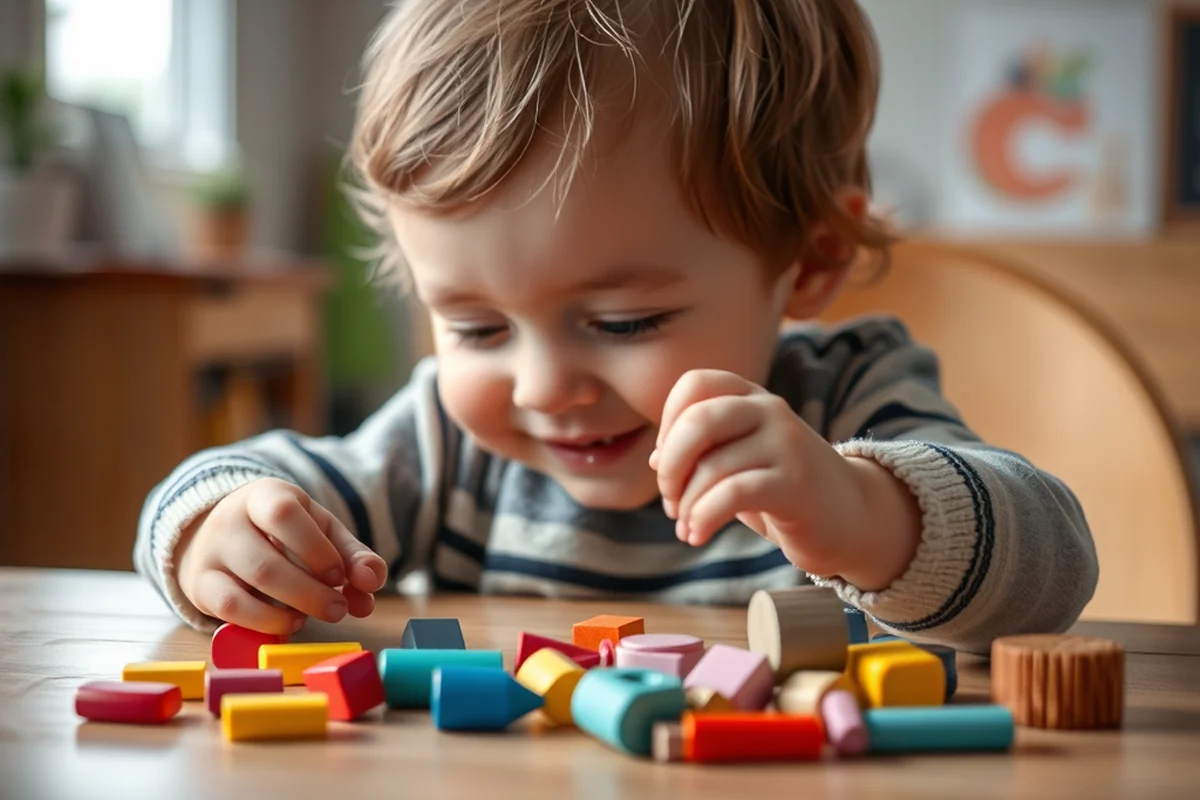
I learned the hard way that a safe space means more than just removing hazards. It also means giving your toddler the right tools to explore. I bought a few low shelves and filled them with blocks, books, and toys that I knew she could reach. It was a small change, but it made a big difference. She started stacking blocks and even tried to read a book by herself — something I never would have done without those shelves.
Childproofing is a must, but I’ve also learned that it’s not about preventing all risk. Toddlers need to experience some level of challenge to learn. I let my daughter explore the bathroom with a child-safe stool and a small sponge. She loved pretending to clean, and it helped her develop fine motor skills. It was a controlled risk, and it worked.
Another tip is to keep a few ‘safe’ items in reach — like a cup of water, a soft cloth, or a few favorite toys. These items allow your toddler to explore without the risk of damaging something valuable or getting into something dangerous. It’s a balance between safety and freedom, and it’s crucial for their development.
Safety is freedom, and freedom is growth.
Related: Cheap toddler seek to gain independence through purposeful exploration
Related: Toddler seek to gain independence through purposeful exploration true or false comparison
Related: Top toddler seek to gain independence through purposeful exploration
Related: Toddler seek to gain independence through purposeful exploration true or false benefits
Related: Lizcandor Toddler Independence Checklist
Related: Toddler Activities Independence Checklist
The Power of ‘Wait’ in Building Independence
I’ve learned that waiting is one of the hardest things for parents to do. When my daughter was trying to put on her shoes, I would often step in with a ‘Let me help you’ — but now I try to wait. I’ve found that if I let her struggle for a few seconds, she often figures it out on her own. It’s not always easy, but the results are worth it.
Waiting can also help build patience. I remember one day when she was trying to stack blocks, and I kept getting frustrated because she kept knocking them down. But instead of stepping in, I just said, ‘You’re doing great, keep trying.’ She did — and eventually, she stacked them all the way up. That was a moment I’ll never forget.
Waiting teaches toddlers that effort is valuable. It shows them that even when things are hard, they can still achieve their goals. It’s a lesson that will carry them through life, and it starts with a simple ‘Wait’ from you.
When your toddler is trying something, count to ten in your head before helping. This gives you time to observe and allows them to work through the challenge themselves.
“I still remember the day my daughter grabbed the handle of the kitchen cabinet and tried to pull it open — her little fingers curled…”— Toddler Independence Building editors
Related: Affordable toddler seek to gain independence through purposeful exploration true or false
Encouraging Problem-Solving Through Play
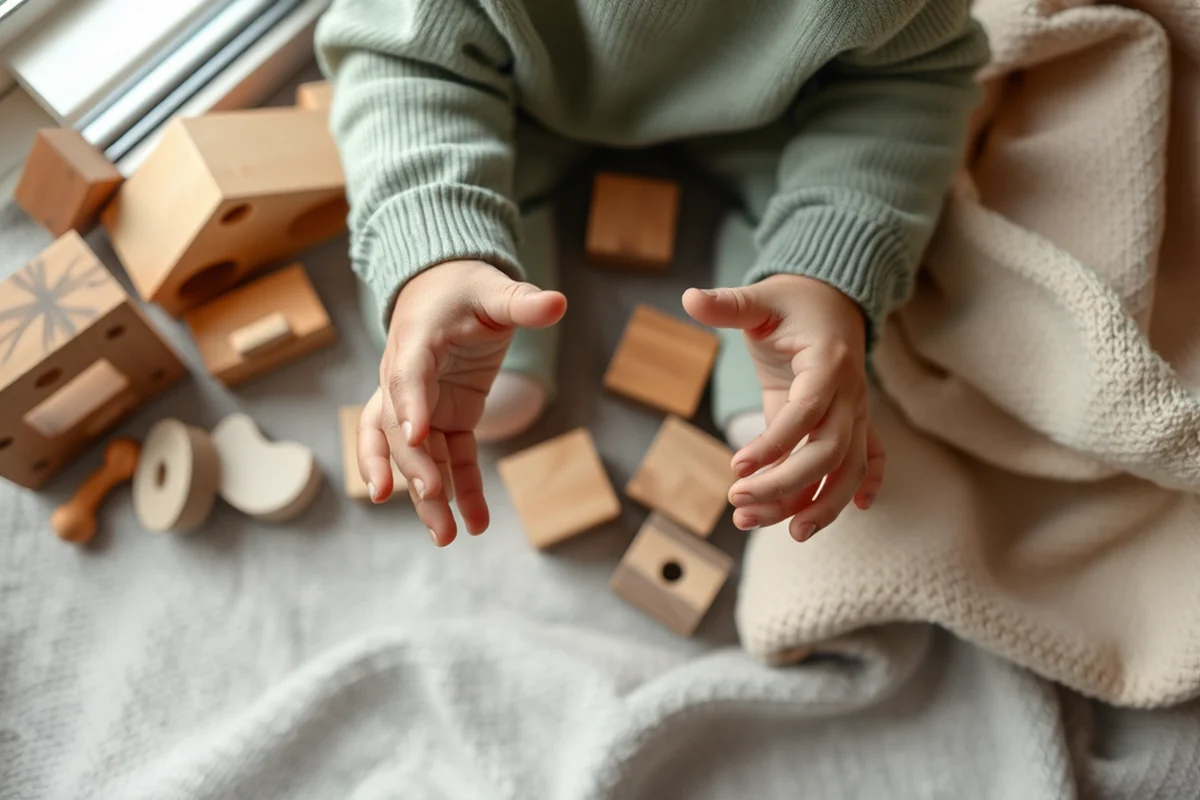
I’ve noticed that when my daughter is playing with her favorite toys, she often invents her own games. Sometimes she’ll pretend to be a doctor, other times a chef — and every time, she’s learning. She learns how to use tools, how to follow directions, and how to think creatively. These are all forms of problem-solving, and they’re happening without me even stepping in.
I’ve also started using toys that challenge her. For example, I bought a few sorting cups and a set of wooden blocks. These toys require her to think about size, shape, and color — all of which are important for cognitive development. She might not solve the problem on her own the first time, but she keeps trying, and that’s what matters.
The key is to allow your toddler to solve the problem in their own way. If they’re using a different method than what you expected, that’s okay. It’s about the process, not the outcome. Even if they don’t solve the problem perfectly, they’re still learning — and that’s what matters.
The Importance of Consistency in Encouraging Independence
I’ve found that consistency is one of the most important things I can do as a parent. When I’m consistent in allowing my daughter to explore, she learns that she can rely on me to support her. She knows that I’ll be there if she needs help, but I also know that she’ll have the chance to try on her own.
Consistency also helps build confidence. I’ve noticed that when I’m consistent in my approach, my daughter is more willing to take risks. She’ll try new things, and she’ll keep trying even when she fails. It’s because she knows that I’ll be there to encourage her, even if she doesn’t get it right the first time.
Consistency helps your toddler understand what’s expected of them, and it gives them the security they need to explore. It’s not about being strict or controlling — it’s about being a steady, supportive presence in their lives.
The Role of Encouragement in Building Confidence
I’ve learned that encouragement is one of the most important things I can do to support my daughter’s independence. When she tries something new, even if she fails, I make sure to tell her how proud I am of her. I’ve noticed that this kind of encouragement helps her feel more confident in her abilities.
I’ve also started using specific praise. Instead of just saying, ‘Good job!’ I’ll say, ‘I love how you tried so hard to put those blocks together!’ This helps her understand that it’s her effort that matters, not just the outcome. It’s a small change, but it makes a big difference in how she sees herself.
Encouragement helps your toddler build confidence in their abilities. It tells them that they’re capable, that they can learn, and that they can succeed. It’s a lesson that will carry them through life, and it starts with the way you speak to them.
Encouragement is the fuel that powers a toddler’s confidence.
The Impact of a Checklist on Daily Routines
Since I started using my checklist, I’ve noticed a huge difference in how I support my daughter’s independence. The checklist helps me stay focused on what matters most — creating a safe space, encouraging exploration, and providing consistent support. It’s not about following a strict routine — it’s about being intentional in my approach.
The checklist also helps me track her progress. I’ve started noting when she tries new things, when she succeeds, and when she struggles. This helps me see how far she’s come and where she needs more support. It’s a simple way to stay organized and focused on what matters most.
Using a checklist can help you stay consistent in supporting your toddler’s independence. It gives you a clear framework to follow, and it helps you track their progress over time. It’s a small change that can lead to big results.
🌱 Gentle Guide
A slow, nurturing approach that focuses on building trust and confidence through small, consistent steps.
🚀 Fast-Track Explorer
A more active approach that emphasizes quick learning and rapid skill development through focused, intentional play.
🧳 Travel/On-the-Go
A flexible, mobile-friendly approach that helps toddlers stay independent even when they’re on the move.
👶 Multiple Toddlers
A structured approach that allows parents to support multiple toddlers in their quest for independence.
🔄 Regression Reset
A focused approach that helps toddlers regain their independence after a setback or regression.
| The mistake | Why it happens | The fix |
|---|---|---|
| Overstepping too quickly | Parents often step in too soon, preventing toddlers from learning through their own effort and problem-solving. | Try to wait a few seconds before helping, allowing your toddler to attempt the task on their own first. |
| Not providing enough space for exploration | When a toddler doesn’t have enough space to explore, they may become frustrated or disengaged from the learning process. | Create a safe, accessible space for exploration and make sure your toddler has the tools they need to try new things. |
| Focusing too much on results instead of effort | Toddlers need to learn that effort is valuable, even if the outcome isn’t perfect. Focusing too much on results can discourage them from trying new things. | Praise your toddler’s effort, not just their success, and remind them that it’s the process that matters most. |
| Being inconsistent in support | Inconsistency can confuse toddlers and make it harder for them to build trust in their abilities and in your support. | Stay consistent in your approach, even if it means making small changes in your daily routine to support your toddler’s independence. |
Toddler Seek To Gain Independence Through Purposeful Exploration Checklist
Common Questions
How often should I use the checklist?
Can I customize the checklist for my toddler’s specific needs?
What if my toddler isn’t interested in exploring?
How long does it take to see results?
References
- Building self-determination through the lens of the Circle of Courage (pmc.ncbi.nlm.nih.gov)
- Early | Ages 3-5 - Cranbrook Schools (schools.cranbrook.edu)
Cite this guide
Toddler Independence Building (2026). Toddler Seek To Gain Independence Through Purposeful Exploration Checklist. https://tinydoers.com/toddler-seek-to-gain-independence-through-purposeful-exploration-checklist/
Feel free to cite or share this guide.