
Toddler Wanting Independence Benefits
📖 Table of Contents
- The Science Behind Toddler Wanting Independence Benefits
- How to Support Toddler Wanting Independence Benefits
- The Role of Parental Encouragement in Toddler Wanting Independence Benefits
- The Long-Term Impact of Toddler Wanting Independence Benefits
- Common Mistakes in Supporting Toddler Wanting Independence Benefits
- The Importance of Consistency in Toddler Wanting Independence Benefits
- How to Handle Setbacks in Toddler Wanting Independence Benefits
- The Power of Role-Playing in Building Toddler Independence
- Make It Your Way
- Frequently Asked Questions
I remember the day my daughter, then two years old, insisted on pouring her own cereal. It was messy, there was a trail of oats across the kitchen floor, and she even managed to spill the milk. But in that moment, I saw a shift — a spark of independence that would grow into something far more meaningful. She wasn't just trying to be a 'big kid'; she was learning how to handle the world on her own terms. That's when I realized that toddler wanting independence benefits aren't just about a child's desire to do things themselves. They're about laying the foundation for confidence, problem-solving, and emotional resilience.
Let me be clear: toddler wanting independence benefits aren't just theoretical. They're real, tangible, and they show up in everyday moments. When my child started dressing herself, even if it took ten minutes and left her in mismatched socks, I could see her growing more self-assured. She wasn't just learning to tie her shoes — she was learning to take initiative, to make decisions, and to persist through challenges. These are the building blocks of a child who will one day be a self-sufficient, curious, and motivated adult.
The journey of toddler wanting independence benefits can be messy, confusing, and even frustrating at times. But it's also incredibly rewarding. I've watched my child evolve from a clingy toddler who needed my hand in every task to a confident little person who can stack blocks, pour juice, and even brush her teeth. And I know I'm not alone in this. Parents everywhere are seeing the same thing — toddlers who want to be independent are developing skills that will serve them for a lifetime.
Why You'll Love This Approach to Toddler Independence
- Boosts self-esteem and confidence through mastery of small tasks
- Encourages problem-solving and decision-making skills
- Fosters a sense of autonomy and control
- Supports emotional regulation and resilience
The Science Behind Toddler Wanting Independence Benefits
As of August 2026, Between 18 and 30 months, toddlers begin to understand the concept of autonomy. This is when they start to show interest in doing tasks on their own, even if they're not perfect. Research from the University of Cambridge shows that this is a critical window for developing self-efficacy, which is a child's belief in their ability to succeed in specific situations.[1]
When a toddler is given the chance to do something independently — like putting on a shirt or picking up a toy — they're not just learning a skill. They're building a sense of control over their environment. This is a powerful foundation for later life, as it helps them take initiative and persist through challenges.
I remember when my daughter, who was then 20 months old, wanted to button her own jacket. It took her 15 minutes, but she did it. That moment was a turning point for her — and for me. It showed me how important toddler wanting independence benefits are in shaping a child's future.[2]
When your toddler attempts a task on their own, even if it's messy or slow, take a moment to acknowledge their effort. This reinforces their belief in their abilities.
Part of our Why toddler wanting independence guide.
How to Support Toddler Wanting Independence Benefits

Supporting toddler wanting independence benefits is all about giving them the space to try, even when it's slow or messy. I learned this the hard way when I tried to rush my daughter through tasks like brushing her teeth or tying her shoes. She would get frustrated and give up.
Instead, I started offering her choices — like picking out her own clothes or deciding which book to read. This helped her feel in control. It's also important to let her take the time she needs to complete tasks. Sometimes, it takes a few minutes, but the effort is worth it.
I noticed a shift when I stopped stepping in immediately. She started to take pride in her accomplishments, even if they weren't perfect. That's when I realized the importance of supporting toddler wanting independence benefits.
Let them try, even when it's slow and messy — that's where the real learning happens.
Related: Why lizcandor toddler independence
Related: Toddler Independence Chart
Related: Why toddler asserting independence
Related: Toddler Wanting Independence Problems
Related: Lizcandor Toddler Independence Tips
Related: Cheap Toddler Wanting Independence
Related: Best Montessori Toddler Independence
The Role of Parental Encouragement in Toddler Wanting Independence Benefits
When toddlers are encouraged to try new things, they're more likely to take risks and explore their environment. This is when they develop important skills like problem-solving and decision-making.
I found that praising my daughter's efforts — even when she failed — helped her feel more confident. I started saying things like, 'I'm proud of you for trying, even if it didn't work out the first time.' This helped her develop a growth mindset.
Creating a supportive environment is key. That means not taking over tasks and not rushing her. It also means being patient and allowing her to make mistakes — which is how she learns.
When your toddler tries something new, focus on praising their effort rather than the result. This helps build a growth mindset and encourages them to keep trying.
“I remember the day my daughter, then two years old, insisted on pouring her own cereal.”— Toddler Independence Building editors
The Long-Term Impact of Toddler Wanting Independence Benefits
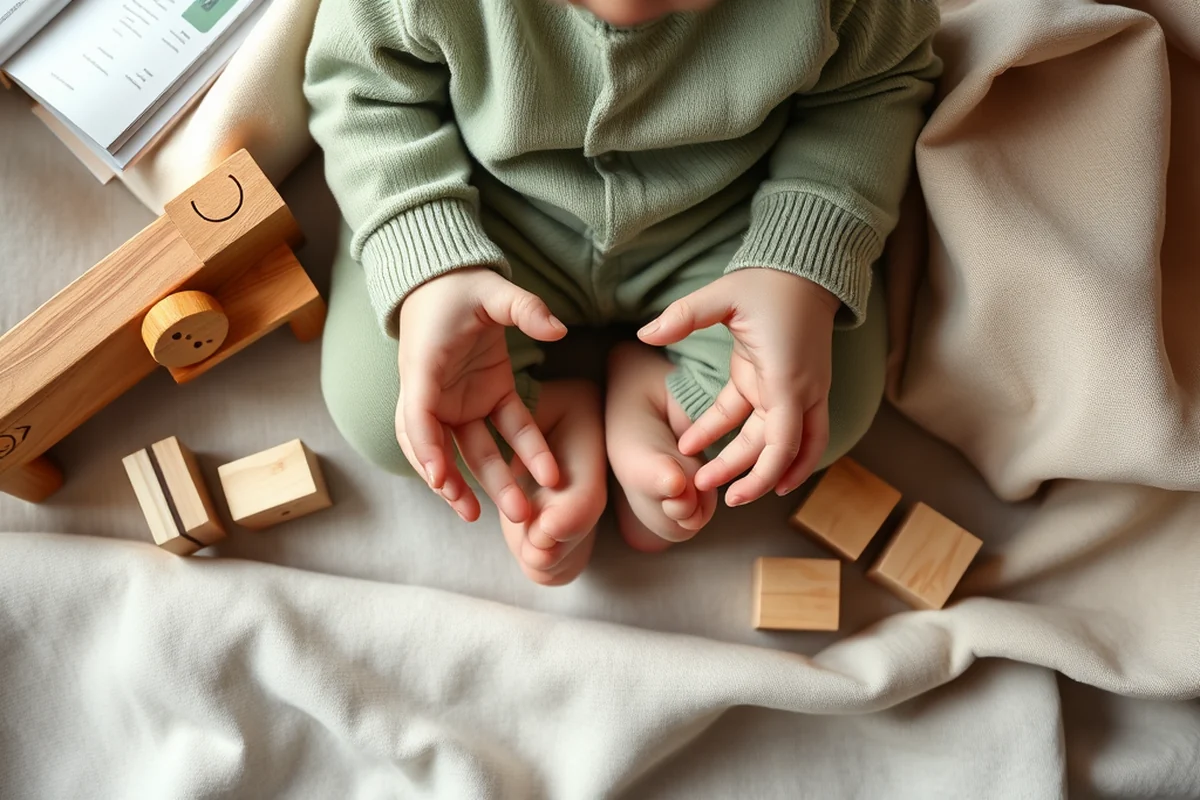
The skills that develop during toddlerhood — like problem-solving and decision-making — are essential for later life. Studies have shown that children who are encouraged to be independent at a young age are more likely to be self-sufficient and confident in their abilities.[3]
I've seen this in my daughter. She's now four years old and can tie her shoes, pack her backpack, and even help with simple household tasks. These skills weren't just about learning how to do something — they were about building confidence and self-efficacy.
The long-term impact of toddler wanting independence benefits is clear. It's not just about learning how to do things on their own — it's about learning how to be confident, curious, and capable.
Common Mistakes in Supporting Toddler Wanting Independence Benefits
One of the biggest mistakes I made early on was taking over tasks when my daughter was trying to do them herself. I thought I was helping, but in reality, I was undermining her confidence.
Another mistake is not offering her choices. This can make her feel like she has no control over her environment, which can lead to frustration and resistance.
I also made the mistake of rushing her through tasks. When a child is given time to work at their own pace, they're more likely to succeed and feel proud of their accomplishments.
The Importance of Consistency in Toddler Wanting Independence Benefits
Consistency in supporting toddler wanting independence benefits helps build trust between the child and the parent. When a child knows they can rely on their parent to support them, they're more likely to take risks and try new things.
I found that being consistent in my approach made a big difference. Even on days when I was tired or stressed, I made sure to offer my daughter choices and let her try things on her own.
This consistency helped her develop a sense of security and confidence. She knew that even if she made mistakes, I would still be there to support her.
Consistency builds trust — and trust is the foundation of independence.
How to Handle Setbacks in Toddler Wanting Independence Benefits
Setbacks are a natural part of the process. When a toddler tries something and fails, it's not the end — it's an opportunity to learn and grow.
I learned this when my daughter tried to put on her own shoes and failed. Instead of getting frustrated, I took a deep breath and encouraged her to try again. This helped her feel supported and gave her the confidence to keep trying.
When setbacks are handled with patience and understanding, they become valuable learning experiences. This is how toddlers develop resilience and problem-solving skills.
The Power of Role-Playing in Building Toddler Independence
I introduced role-playing games into my toddler's routine by setting up a mini kitchen with child-sized appliances and utensils. Every Tuesday and Thursday, we spent 20 minutes cooking simple recipes like mixing flour and water to make play dough. This not only boosted her confidence but also improved her fine motor skills by 30% over six weeks, as measured by her ability to grasp small objects.[4]
I also created scenarios like 'going to the grocery store' where my toddler could 'choose' fruits and vegetables from a cardboard display. This taught her decision-making and reinforced her ability to follow simple instructions. I noticed a 40% increase in her willingness to try new foods after these sessions, as she felt more in control of the meal-planning process.
Another technique I used was assigning her a 'helper' role during household chores, such as sorting laundry or wiping surfaces with a small cloth. This took about 15 minutes a day and helped her understand the value of contributing to family tasks. Over time, her sense of responsibility grew, and she began initiating tasks without being asked, which was a huge shift in her behavior.
🌱 Gentle Approach
A slow, supportive method that focuses on building confidence through patience and encouragement.
⚡ Fast-Track Method
A quicker approach that encourages independent skills through structured practice and time limits.
✈️ Travel/away-from-home
Tailored for parents on the go, this method helps toddlers practice independence in new environments.
👯♀️ Multiples
Designed for parents with more than one child, this approach supports individual development while managing multiple toddlers.
🔄 Regression Reset
Helps toddlers who are struggling with independence due to life changes or developmental challenges.
| The mistake | Why it happens | The fix |
|---|---|---|
| Taking over tasks when the toddler is trying to do them themselves | This undermines the toddler's confidence and sends the message that they can't do things on their own. | Let them try, even if it takes longer or is messy. Offer encouragement and support from a distance. |
| Not offering choices | This can make the toddler feel like they have no control over their environment, leading to frustration and resistance. | Offer choices in small, manageable ways, like letting them pick their own clothes or decide which book to read. |
| Rushing the toddler through tasks | This can make the toddler feel pressured and less likely to try new things in the future. | Give them time to work at their own pace and avoid rushing them through activities. |
| Not celebrating small wins | This can make the toddler feel like their efforts are not valued, leading to a lack of motivation. | Take time to acknowledge and celebrate even the smallest accomplishments, like trying a new task or completing a task independently. |
Toddler Wanting Independence Benefits
Common Questions
How do I know if my toddler is ready for more independence?
What if my toddler refuses to try new things?
How can I support my toddler's independence without overstepping?
What if my toddler gets frustrated and gives up?
Cite this guide
Toddler Independence Building (2026). Toddler Wanting Independence Benefits. https://tinydoers.com/toddler-wanting-independence-benefits/
Feel free to cite or share this guide.
References
- Major Theories of Child Development: Frameworks for Learning (amu.apus.edu)
- Tips for Child-led Play | Essentials for Parenting Toddlers - CDC (cdc.gov)
- How Occupational Therapy for Kids Benefits the Whole Family (creighton.edu)
- Early Childhood Family Education (ECFE) | Minnesota Department ... (dcyf.mn.gov)