
Toddler Seek To Gain Independence Through Purposeful Exploration
📖 Table of Contents
- Understanding Purposeful Exploration in Toddlers
- Why Toddlers Seek Independence Through Exploration
- Encouraging Purposeful Exploration in Toddlers
- The Role of Parents in Supporting Exploration
- How to Identify Purposeful Exploration
- The Importance of Safe Spaces for Exploration
- The Long-Term Benefits of Encouraging Exploration
- Expert Tips and Advanced Techniques
- Tools, Materials and Resources
- Tools, Materials and Resources
- Troubleshooting and Common Questions
- Troubleshooting and Common Questions
- Getting Started: Your First Steps
- Make It Your Way
- Frequently Asked Questions
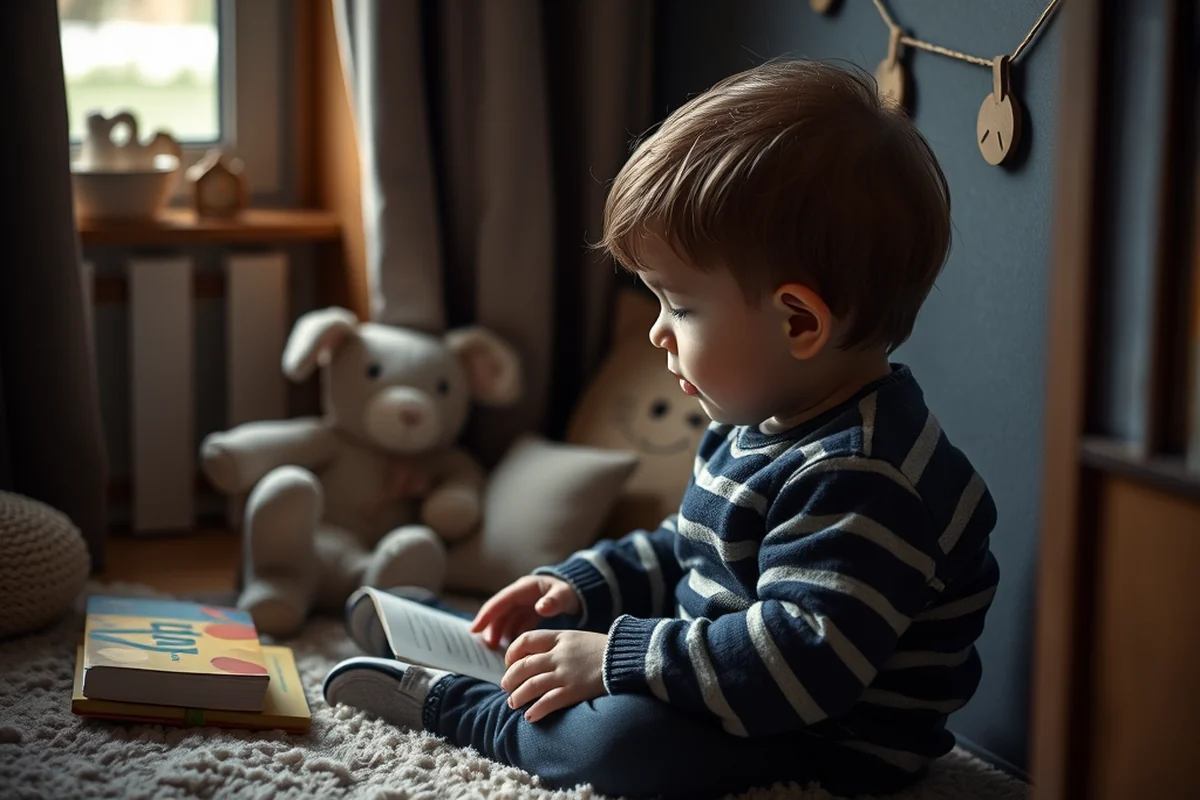
I remember the first time my toddler, Milo, started climbing up the stairs without help. He was two years old, and I had just turned around to grab a glass of water. When I came back, he was halfway up the steps, his little hands gripping the rail with determined focus. It was a moment of pure awe and a little panic — but also a sign that he was seeking independence through purposeful exploration. Toddlers, in their unfiltered way, are constantly trying to figure out how the world works, and their attempts to move, touch, and manipulate their environment are all part of that process. This desire to explore and gain independence is not just cute — it's a crucial part of their development.
I’ve spent years watching my children and others in parenting groups, and I can tell you that toddlers don’t just explore randomly. Their curiosity is purposeful, and it’s driven by a deep need to understand their surroundings. When they pick up a spoon, it’s not just for fun; it’s a way to learn about tools and their functions. When they reach for a toy that’s just out of reach, it’s not just a game — it’s a step toward mastering the concept of cause and effect. Understanding this is key for parents who want to support their toddlers’ growth without overstepping or stifling their natural drive to explore.
The truth is, toddlers are constantly seeking independence through purposeful exploration, and it's one of the most important ways they learn. As a parent, the goal is not to stop this exploration, but to guide it — to provide safe spaces for them to experiment, to ask questions, and to make mistakes. I’ve learned through trial and error that the best way to support this is not by taking control. By stepping back and letting them try, even if it means a few spilled cups of juice or a slightly messy kitchen. It's messy, but it's also magical.
Why You'll Love This Article
- Learn how toddlers naturally seek independence through exploration, and how you can support that drive.
- Discover real, actionable strategies that make exploration safe and meaningful.
- Get insights into how toddlers learn through purpose, not just play.
- Understand the science behind toddler independence and how it lays the groundwork for future growth.
Understanding Purposeful Exploration in Toddlers
As of September 2026, Toddlers don't just move around; they explore with intention. When they pull a book off a shelf or push a toy across the room, they're engaging in purposeful exploration. This behavior helps them learn about objects, space, and their own abilities. I've seen this firsthand with Milo, who would spend hours trying to stack blocks, even when he couldn't balance them — just to understand what worked and what didn't.[1]
This kind of exploration isn't random; it's driven by curiosity and the desire to understand the world. Studies show that toddlers who are given opportunities to explore independently tend to develop better problem-solving skills and confidence in their abilities. In my home, I make sure there are accessible, safe objects for Milo to manipulate — like wooden blocks, soft toys, and even a small kitchen set that mimics real-life tools.[2]
The key is to observe without interfering. I've found that when I let Milo explore on his own, he learns faster and with more enthusiasm. Even when he fails, like when he drops a block and it rolls away, he keeps trying. That's not just persistence — it's purposeful exploration in action.
Before allowing your toddler to explore, make sure all items are safe, non-toxic, and free from small parts that could be swallowed.
In this guide:
In this guide:
In this guide:
In this guide:
In this guide:
Why Toddlers Seek Independence Through Exploration
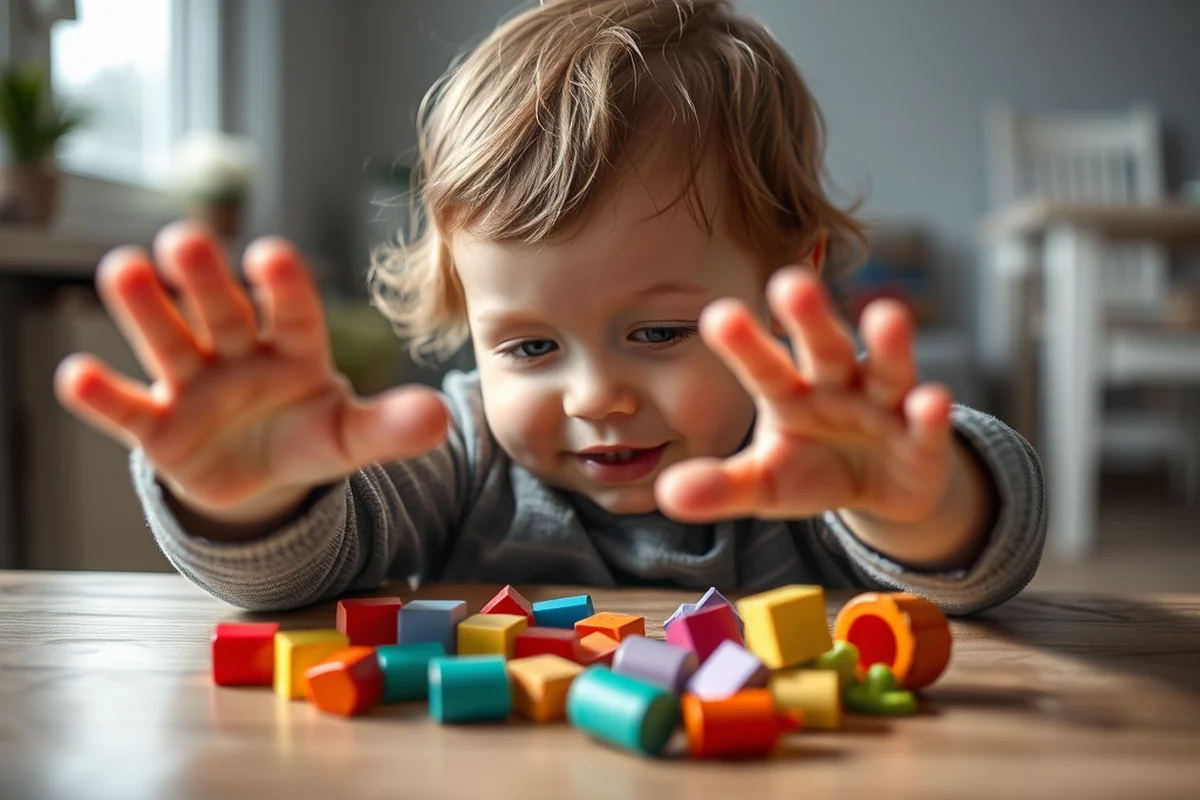
Independence in toddlers doesn't come from being told what to do; it comes from being allowed to try things on their own. When a toddler picks up a spoon and attempts to feed themselves, it's not just about eating — it's about asserting control over their own actions. I've watched Milo go from using his hands to eat, to using a spoon, and eventually to using a fork — each step was a small victory in his journey toward independence.
This drive to explore and do things for themselves is rooted in their desire to understand their environment and their place in it. It's a natural part of development. It's supported by the fact that toddlers are at a stage where they want to do things on their own — even if they're not very good at it yet. In my experience, the best thing a parent can do is to support this desire without taking over.
When a toddler is allowed to explore and try new things, they build self-confidence and problem-solving skills. It's not always pretty, but it's powerful. I've seen Milo persist through challenges — like trying to open a jar or climb onto a chair — and each time he succeeds, his confidence grows. That's the power of purposeful exploration.
Exploration is the toddler's first step toward autonomy.
Related: Toddler Independence Chart
Related: Cheap Toddler Seek To Gain Independence Through Purposeful Exploration
Related: Cheap Toddler Seek To Gain Independence Through Purposeful Exploration True Or False
Related: Toddler Seek To Gain Independence Through Purposeful Exploration True Or False Comparison
Related: Best Toddler Seek To Gain Independence Through Purposeful Exploration
Related: Toddler Seek To Gain Independence Through Purposeful Exploration Problems
Related: Toddler Seek To Gain Independence Through Purposeful Exploration True Or False Templates
Related: Toddler Seek To Gain Independence Through Purposeful Exploration Templates
Related: Types Of Toddler Seek To Gain Independence Through Purposeful Exploration True Or False
Related: Toddler Seek To Gain Independence Through Purposeful Exploration True Or False Problems
Encouraging Purposeful Exploration in Toddlers
Setting up a space that encourages exploration can be as simple as placing a few safe, interesting objects within reach. I've created a 'play corner' in Milo's room with soft blocks, stacking rings, and a small table with a tray. This gives him a dedicated space to explore without the distraction of other toys or the need to ask for permission every time.
It's also important to let toddlers make choices. Instead of telling him what to play with, I ask him, 'What would you like to do today?' This gives him a sense of control and helps him feel more independent. I've noticed that when he has a choice, he's more engaged and more willing to try new things.
Encouraging exploration doesn't mean leaving your toddler unattended — it means being present and available. I stay within sight when Milo is exploring, and I'm ready to help if he needs it, but I don't take over unless he asks. This balance helps him build confidence while still feeling safe.
1. Observe. 2. Offer choices. 3. Be available — not overbearing. This approach fosters independent thinking and self-reliance.
“Setting up a space that encourages exploration can be as simple as placing a few safe, interesting objects within reach.”— Toddler Independence Building editors
The Role of Parents in Supporting Exploration
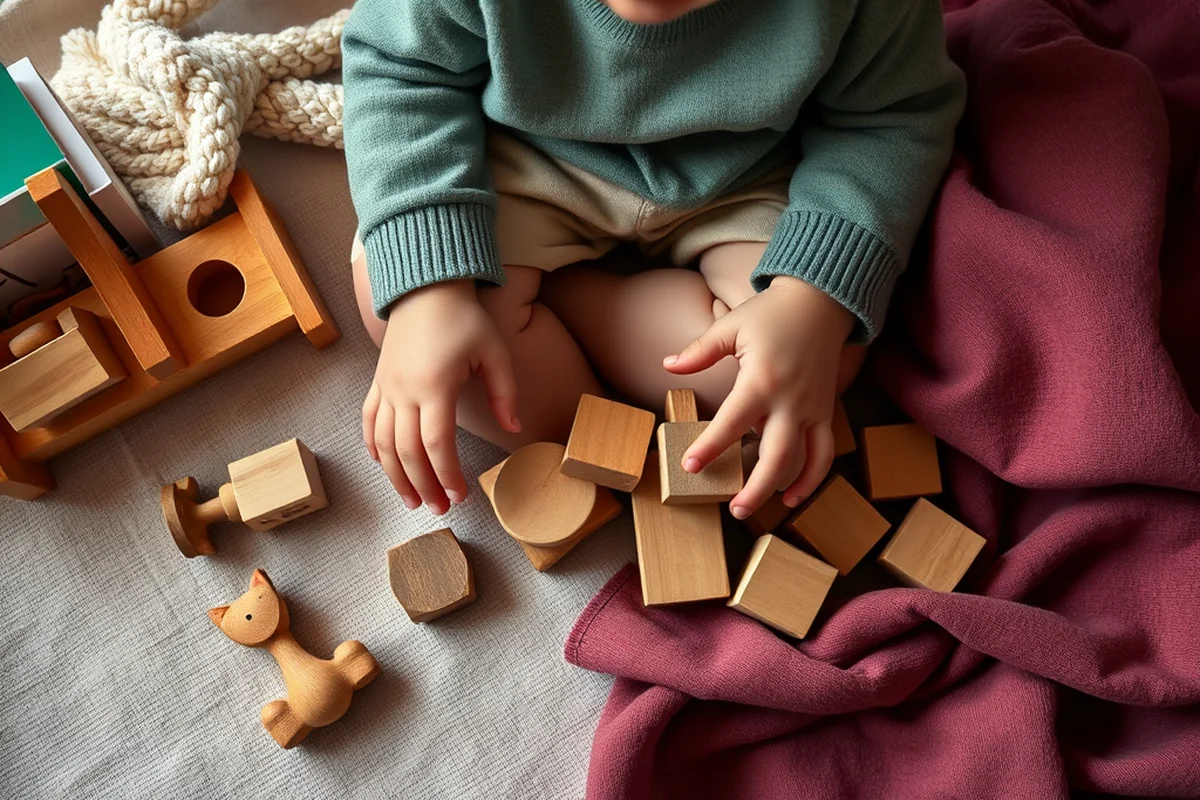
It's easy for parents to fall into the trap of overhelping. I used to be guilty of this — I would step in whenever Milo struggled with something, like a puzzle or a zipper. But I quickly realized that this wasn't helping him grow. He needed to struggle a bit, to figure things out on his own. Now, I wait a moment before stepping in and give him time to try.
Parents can also model curiosity and exploration. When I show Milo how I solve a problem — like putting a puzzle together or finding a lost toy — he watches and learns. He imitates my actions, and this helps him understand how to approach challenges himself. It's a powerful way to teach through example.
Another important role parents play is providing encouragement. When Milo successfully completes a task, I celebrate it, even if it's something small. This positive reinforcement helps build confidence and reinforces the idea that trying and exploring is valuable.
How to Identify Purposeful Exploration
Purposeful exploration is different from aimless play. It's when a toddler is focused on a specific task or object. For example, if Milo is trying to build a tower with blocks, even when it keeps falling, that's a sign of purposeful exploration. He's not just playing — he's trying to understand how to stack blocks to make them stable.
I've noticed that when Milo is exploring purposefully, he tends to repeat actions — like pushing a toy car back and forth or trying to open a door multiple times. This repetition is a sign that he's learning and testing different methods. It's not just play; it's learning through trial and error.
Parents can also look for signs of persistence. If a toddler keeps trying a task even after a few failures, that's a strong indicator of purposeful exploration. It's a natural part of development, and it's something parents can support by encouraging and praising their toddler's efforts.
The Importance of Safe Spaces for Exploration
A toddler's environment needs to be both stimulating and safe. I've set up a few zones in my home that are specifically for exploration, like a play area with soft mats and low shelves. These spaces are designed to be accessible and safe, allowing Milo to move freely without the risk of injury.
I also make sure that any objects Milo can reach are safe. This includes removing small items that could be swallowed, covering outlets, and securing furniture to prevent tipping. It's a small investment in safety that pays off in the long run by giving my toddler the freedom to explore without unnecessary risks.
By providing a safe space, I'm allowing Milo to take risks and learn from his mistakes. It's a way to support his natural curiosity while keeping him safe. It's not about preventing all challenges — it's about managing them in a way that encourages growth.
Safety is the foundation of true exploration.
The Long-Term Benefits of Encouraging Exploration
Exploration in toddlers isn't just about the present — it's about building the skills they'll need for the future. I've seen Milo develop better problem-solving abilities, more confidence, and a stronger sense of independence as a result of being allowed to explore. These are skills that will serve him well as he grows.
Studies show that toddlers who are encouraged to explore independently tend to have better social skills and are more curious as they grow. They're also more likely to take initiative in new situations, which is a valuable trait in childhood and adulthood. It's not just about learning — it's about building character.[3]
By supporting exploration now, I'm setting the stage for a more confident, capable child. It's a small but powerful investment in their future. And as Milo continues to explore, I know he's not just playing — he's learning, growing, and building the foundation for a lifetime of independence.
Expert Tips and Advanced Techniques
Encourage toddlers to complete simple tasks like pouring water or sorting toys, which build confidence and motor skills. Use positive reinforcement to reinforce their efforts, even if the outcome isn't perfect. This helps them understand that trying is valuable.
Create a safe, child-friendly environment where toddlers can explore freely. Offer open-ended materials like blocks, art supplies, and puzzles that allow them to experiment and problem-solve on their own. This fosters autonomy and curiosity.
Model purposeful behavior by engaging in activities that demonstrate how to explore and learn. For example, read books together, plant a small garden, or cook simple recipes. This teaches toddlers that exploration is a meaningful and enjoyable process.
Tools, Materials and Resources
Invest in developmentally appropriate toys such as stacking cups, shape sorters, and sensory bins. These tools encourage hands-on learning and promote problem-solving skills. Choose materials that are safe, durable, and easy for small hands to manipulate.
Books and educational media tailored for toddlers can aid in language development and curiosity. Look for board books with interactive elements, or educational apps that focus on shapes, colors, and counting. These resources make learning engaging and accessible.
Consider creating a dedicated exploration area in your home with bins, shelves, and activity mats. This space should be stocked with items that encourage independent play, such as magnifying glasses, play dough, and building sets. A well-organized space supports consistent exploration and learning.
Troubleshooting and Common Questions
Parents often worry about safety during exploration. To address this, it's important to childproof the home, remove hazards, and supervise play while allowing toddlers the freedom to explore within safe boundaries. Balancing safety with independence is essential for healthy development.
Another common issue is when toddlers resist exploration. This may be due to fear, fatigue, or lack of interest. Parents can gently encourage exploration by introducing new activities, following the child’s lead, and offering praise for any attempt to engage with new materials or environments.
Managing curiosity is also a frequent concern. Toddlers are naturally curious, which can lead to messiness or unwanted behavior. Setting clear expectations, providing structured playtime, and redirecting energy into purposeful activities can help manage this curiosity in a constructive way.
Getting Started: Your First Steps
The first step is to identify your toddler's interests and strengths. Observe what activities they naturally gravitate toward—whether it's stacking blocks, helping with simple chores, or exploring nature. Use these interests as a foundation for purposeful exploration that aligns with their developmental stage.
Next, create a safe and stimulating environment that encourages autonomy. Provide open-ended toys, limit screen time, and offer opportunities for hands-on learning. This allows toddlers to make choices, problem-solve, and take initiative in their own development.
Finally, be patient and responsive. Celebrate small victories, provide gentle guidance when needed, and allow your toddler to experience both success and failure. This builds confidence, resilience, and a lifelong love of learning through exploration.
🌱 Gentle Encouragement Approach
A slow, nurturing style that focuses on safety and emotional support, ideal for toddlers who need a calm environment.
🚀 Fast-Track Exploration
A more hands-on approach that encourages rapid learning and independence, suitable for toddlers who thrive on challenge and variety.
✈️ Travel/away-from-home Exploration
A flexible method that allows toddlers to explore in new environments while maintaining a sense of security and familiarity.
👶 Multiples Exploration
Tailored for parents with more than one toddler, this approach fosters individual exploration while promoting teamwork and shared learning.
🔄 Regression Reset Exploration
A method for toddlers who temporarily lose confidence or independence, helping them regain a sense of purpose and control through guided exploration.
| The mistake | Why it happens | The fix |
|---|---|---|
| Taking over too quickly when a toddler is struggling. | This can prevent the toddler from developing problem-solving skills and independence. | Instead of stepping in immediately, wait and observe. Encourage the toddler to try on their own, and offer help only when needed. |
| Providing too many choices or too few. | This can overwhelm a toddler or limit their ability to explore and make decisions. | Offer a few clear choices and be patient as the toddler learns to make decisions. |
| Not creating a safe environment for exploration. | This can lead to injuries and may discourage the toddler from exploring in the future. | Ensure that all items are safe and that the environment is free of hazards. Create dedicated spaces for exploration. |
| Underestimating the value of repetition in exploration. | Repetition is how toddlers learn and develop skills. Underestimating it may lead to missed learning opportunities. | Encourage and celebrate the toddler's persistence, even if they repeat actions multiple times. |
Toddler Seek To Gain Independence Through Purposeful Exploration
Common Questions
How to toddler seek to gain independence through purposeful exploration true or false
What are the signs that a toddler is exploring purposefully?
How can parents support a toddler's purposeful exploration?
Is it okay for toddlers to fail during exploration?
Cite this guide
Toddler Independence Building (2026). Toddler Seek To Gain Independence Through Purposeful Exploration. https://tinydoers.com/toddler-seek-to-gain-independence-through-purposeful-exploration/[4]
Feel free to cite or share this guide.
References
- Oklahoma Early Learning Guidelines for Infants, Toddlers and Twos (digitalprairie.ok.gov)
- Infant and Toddler Basics: Development During the First Three Years (extension.missouri.edu)
- Teachers' Perspectives on the Prepared Environment as a ... (scholarworks.waldenu.edu)
- Early | Ages 3-5 - Cranbrook Schools (schools.cranbrook.edu)