
Encouraging Toddler Independence Step By Step
📖 Table of Contents
Encouraging toddler independence step by step is a foundational part of early childhood development, helping children build self-confidence, problem-solving skills, and a sense of autonomy. This guide provides a structured, expert-approved approach to fostering independence in toddlers, covering everything from troubleshooting setbacks to creating budget-friendly activities at home. Whether you're handling the challenges of toddler behavior or looking for affordable ways to promote independence, this comprehensive hub will walk you through each step of the journey.[1]
Every toddler is unique, and the path to independence will vary based on their personality, environment, and developmental stage. However, the core principles of encouraging independence—such as offering choices, modeling behavior, and allowing safe exploration—are universally effective. By breaking the process down into manageable steps, parents can create a nurturing yet empowering atmosphere that supports their child’s growth.
This guide is designed to serve as a one-stop resource for parents seeking to foster independence in their toddlers. It offers practical strategies for troubleshooting challenges, budget-friendly activities, and the essential skills that support independent thinking and behavior. With real-world examples and expert insights, you’ll find everything you need to help your toddler grow into a self-reliant, confident individual.[2]
Key Takeaways
- Encouraging toddler independence involves a step-by-step approach that builds skills and confidence over time.
- Budget-friendly strategies, such as using household items for play, can be just as effective as expensive toys.
- Developing independence skills like problem-solving, self-care, and communication is crucial during the toddler years.
- Creating a supportive environment at home is the foundation for fostering independence in young children.
Troubleshooting
As of August 2026, one of the most common challenges parents face when encouraging toddler independence is dealing with resistance or frustration. Toddlers may refuse to complete a task, such as dressing themselves, or become overwhelmed when given too many choices. In these moments, it’s essential to stay calm and provide gentle guidance rather than forcing the child. According to a study published in the *Journal of Developmental and Behavioral Pediatrics*, toddlers who are given consistent, clear expectations are more likely to develop self-reliance over time.[3]
Another common issue is the fear of failure. Toddlers may avoid trying new tasks, like using a spoon or climbing stairs, if they’re afraid of making a mistake. Parents can help by framing mistakes as learning opportunities. For example, if a toddler spills a drink while learning to pour, the parent can say, 'That’s okay, let’s try again.' This approach fosters resilience and builds confidence in the child’s ability to handle challenges.
Lastly, it’s important to recognize that every toddler develops at their own pace. Some may become independent in certain areas quickly while needing more support in others. Patience and consistency are key, and celebrating small successes—like a toddler successfully putting on their own shoes—can reinforce positive behavior and encourage further independence.
In this guide:
Budget-Friendly

Many parents may believe that fostering independence in toddlers requires purchasing specialized toys or enrolling in costly classes. However, budget-friendly options are often just as effective. For example, using household items like empty boxes, bottles, and cloth scraps can create engaging, open-ended play experiences that encourage problem-solving and creativity. A study by the *American Academy of Pediatrics* found that unstructured, imaginative play can be more beneficial for developing independence than structured, commercial activities.[4]
Another budget-friendly approach is to repurpose old items into toddler-friendly tools. For instance, using old jars as containers for sorting activities, or turning old clothes into puppets for imaginative play. These activities not only save money but also teach toddlers how to think creatively and use their environment in new ways. Also, free apps and online resources can provide guidance on fostering independence through play and learning.
Incorporating everyday routines into opportunities for independence is also a cost-effective strategy. Letting a toddler help set the table, pour water from a pitcher, or sort laundry can be both fun and educational. These small tasks build confidence and teach practical life skills without the need for additional spending.
Related: Why Toddler Zone Independence Center
Related: Affordable Independence In Toddler
Related: Affordable Encouraging Toddler Independence
Related: Top Encouraging Toddler Independence
Related: Top Independence In Toddler
Related: Best Encouraging Toddler Independence
Related: Toddler Sports Independence Mo Vs
Related: Toddler Time Independence Mo Vs
Related: Toddler Activities Independence Mo Vs
Related: Toddler Burgeoning Independence Vs
Related: Toddler Independence Skills Vs
Independence Skills
One of the most important independence skills for toddlers is self-care. Teaching a toddler to brush their teeth, put on their shoes, or use the toilet independently not only builds confidence but also reduces the burden on parents. These skills are best taught through consistency and positive reinforcement. For example, praising a toddler after they successfully complete a task on their own can reinforce the behavior and encourage them to try again in the future.
Decision-making is another crucial skill that can be nurtured during the toddler years. Allowing toddlers to make simple choices—like picking out their clothes or choosing a snack—helps them develop a sense of control and autonomy. According to a report by the *Child Development Institute*, toddlers who are given opportunities to make choices from an early age are more likely to become confident, self-directed individuals as they grow.[5]
Problem-solving is a skill that can be developed through play and everyday activities. Encouraging toddlers to figure out how to stack blocks, open containers, or solve simple puzzles not only promotes cognitive development but also builds independence. These activities help toddlers learn to think critically and approach challenges with confidence.
“One of the most important independence skills for toddlers is self-care.”— Toddler Independence Building editors
Related: Toddler Seeking Independence Problems
At Home

A toddler’s home environment plays a significant role in how they develop independence. Parents can create a supportive atmosphere by arranging the home in a way that encourages exploration and self-reliance. For example, placing child-friendly tools such as a small broom, a watering can, or a low-hanging towel rack can give toddlers the opportunity to participate in household tasks.
Encouraging independence at home also involves giving toddlers the chance to complete tasks on their own, even if it takes longer or results in a mess. Allowing a toddler to pour their own juice, even if it spills, teaches them that mistakes are part of the learning process. This approach helps build confidence and problem-solving skills from an early age.
Also, establishing routines that allow toddlers to take part in daily activities—like setting the table or helping to clean up toys—can reinforce a sense of responsibility and independence. These small, consistent opportunities help toddlers feel capable and in control of their environment, which is essential for their emotional and social development.
Related: Toddler Independence Checklist
Alternatives
While traditional methods such as structured play and scheduled routines can be effective, there are several alternative approaches that may suit different parenting styles or family needs. For example, unschooling or child-led learning allows toddlers to explore their interests at their own pace, promoting curiosity and self-direction. This method can be particularly effective for fostering independence, as it empowers the child to take the lead in their own learning.
Another alternative is the use of technology to support independence. Educational apps and interactive games can provide toddlers with opportunities to practice problem-solving, counting, and communication skills in a self-directed way. However, it’s important to balance screen time with hands-on, physical activities to ensure a well-rounded development.
Outdoor play is another powerful alternative that supports independence by allowing toddlers to explore, take risks, and make decisions in a natural setting. Activities such as climbing, digging, or playing with water not only promote physical development but also encourage a sense of autonomy and resilience.
Toddler Burgeoning
As toddlers grow, they begin to show signs of burgeoning independence, such as wanting to do things on their own, asserting their preferences, and exploring their environment with increasing curiosity. This stage is both exciting and challenging for parents, as toddlers may become more selective, stubborn, or resistant to help. However, these behaviors are a natural part of development and indicate that the toddler is gaining a greater sense of self and control over their actions.
Supporting a toddler’s burgeoning independence requires a balance of encouragement and guidance. Parents can foster this growth by offering choices, allowing the toddler to make decisions, and providing opportunities for them to practice new skills. For example, letting a toddler choose their own outfit or decide where to sit during meals can promote a sense of autonomy and confidence.
It’s also important to recognize that toddlers may need help with tasks they are still learning, but they may not always accept it. In these moments, it’s helpful to stay patient and use gentle encouragement. For instance, if a toddler refuses to use the potty, a parent might say, 'Let’s try again. If it’s too hard, we can use the diaper for now.' This approach respects the toddler’s autonomy while still providing support when needed.
Toddler Activities
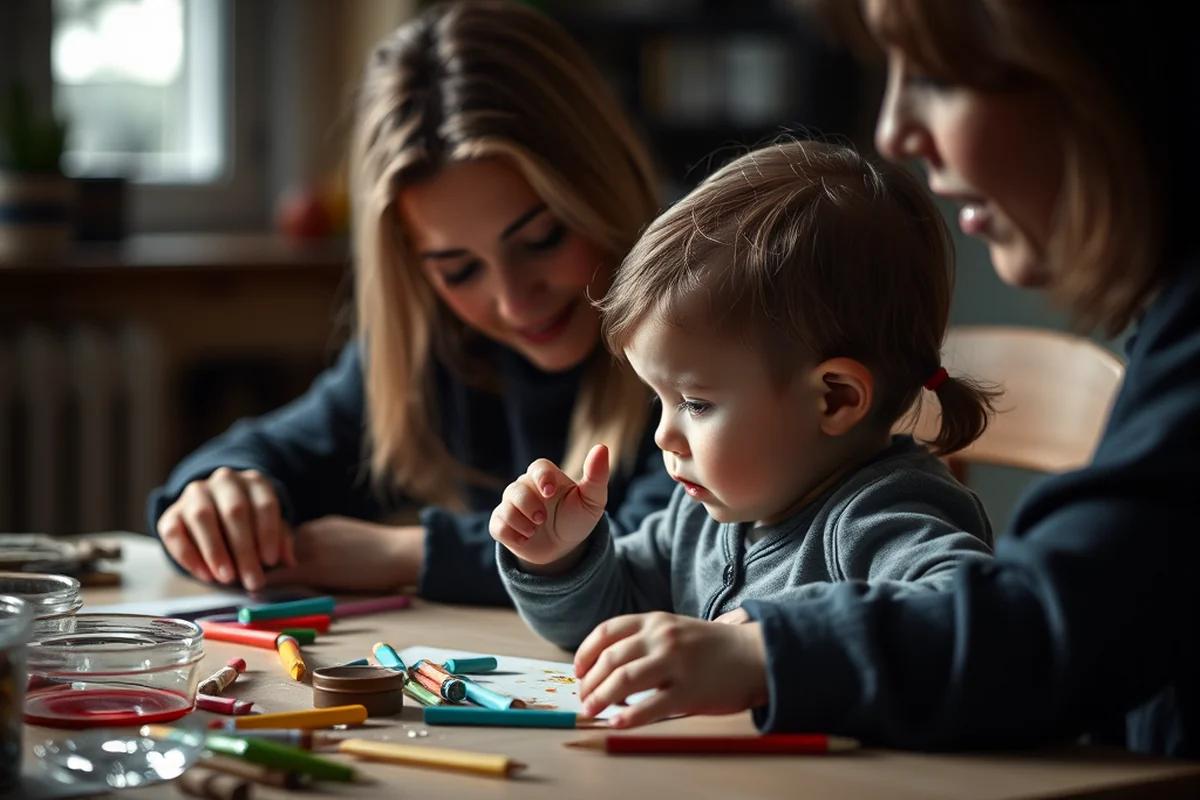
Toddler activities such as building with blocks, sorting toys, and drawing encourage independent thinking and motor skill development. These activities should be safe, open-ended, and allow the toddler to explore at their own pace, promoting confidence and self-reliance.
Parents can support independence by offering choices, like selecting between two toys or deciding the order of activities. This empowers toddlers to make decisions, which is crucial for developing autonomy and self-awareness.
Incorporating routine-based activities, such as setting the table or helping with simple chores, also nurtures independence. These tasks help toddlers understand their role in the family and build a sense of accomplishment and responsibility.
Toddler Sports
Toddler sports like running, jumping, and playing catch help build gross motor skills, balance, and strength. These activities should focus on enjoyment rather than competition, encouraging a positive relationship with physical activity from an early age.
Participating in group sports or playdates with other toddlers fosters social interaction, cooperation, and turn-taking. These experiences help toddlers learn to follow rules, share, and work with others, which are essential for emotional and social growth.
Parents can support toddler sports by creating a safe environment for exploration, providing appropriate gear, and modeling active behavior. Encouraging toddlers to try new activities builds confidence and a lifelong appreciation for physical well-being.
Tools, Materials and Resources
Investing in age-appropriate tools like child-safe scissors, crayons, and building blocks encourages hands-on learning and motor development. These items should be non-toxic and designed for small hands, ensuring safety during independent play.
Books, puzzles, and interactive learning apps are excellent resources that support cognitive and language development. Choose materials that promote problem-solving and allow toddlers to explore at their own pace, reinforcing a sense of autonomy.
Creating a dedicated play area with accessible materials can transform a toddler's space into a hub for self-directed learning. This environment should be inviting, organized, and tailored to the child's developmental stage, promoting confidence and curiosity.
Troubleshooting and Common Questions
It's normal for toddlers to struggle with tasks like dressing or cleaning up. Patience and gentle guidance are key—avoid taking over, and instead model the behavior while offering encouragement and praise for effort.
Common questions include how to handle tantrums during independent tasks or when a child refuses to try. Consistency, clear expectations, and offering choices can reduce frustration and build resilience in toddlers.
If a child seems overly dependent or resistant to independent activities, consider their emotional readiness and look for underlying factors like anxiety or overprotection. Seeking support from pediatricians or child development experts may be helpful in such cases.
Getting Started: Your First Steps
The journey to toddler independence starts with creating a safe and encouraging environment. Begin by allowing your child to make simple choices, such as picking their clothing or selecting a toy. These small decisions help build confidence and a sense of autonomy.
Introduce age-appropriate tasks like feeding themselves, using the potty, or putting toys away. Offer assistance when needed, but avoid overstepping. Let your toddler attempt the task first, and step in only if they're struggling or in danger.
Celebrate every small success with praise and encouragement. This reinforces positive behavior and motivates your child to try new things. As your toddler grows more independent, continue to adjust expectations and provide opportunities for them to practice skills in a supportive and loving way.
🌱 Beginner
The simplest version — minimal supplies, quick win.
💰 Budget
Same result using what you already have.
⚡ Quick
The 10-minute version for busy days.
✨ Advanced
The upgraded version once the basics stick.
| The mistake | Why it happens | The fix |
|---|---|---|
| Forcing a toddler to complete a task they are not ready for. | Forcing a toddler can lead to resistance, fear, and a lack of confidence in their own abilities. | Instead, offer gentle encouragement and let the toddler try at their own pace, using positive reinforcement when they succeed. |
| Overloading a toddler with too many choices or tasks. | Too many choices or tasks can overwhelm a toddler, leading to frustration and a reluctance to try new things. | Simplify choices and offer one or two options at a time, allowing the toddler to feel in control without being overwhelmed. |
| Dismissing a toddler’s attempts to be independent as 'too much work.' | Dismissing a toddler’s efforts can discourage them from trying again, leading to a lack of confidence and independence over time. | Recognize and celebrate small successes, even if they seem minor. This reinforces the toddler’s sense of accomplishment and encourages continued effort. |
encouraging toddler independence step by step
Common Questions
How can I troubleshoot challenges when encouraging toddler independence?
What are some budget-friendly ways to encourage toddler independence?
What are the key independence skills for toddlers?
How can I encourage toddler independence at home?
Cite this guide
Toddler Independence Building (2026). Encouraging Toddler Independence Step By Step. https://tinydoers.com/encouraging-toddler-independence-step-by-step/
Feel free to cite or share this guide.
References
- Developing independence in children - MSU Extension (canr.msu.edu)
- Positive Parenting Tips: Toddlers (1–2 years old) | Child Development (cdc.gov)
- Ages and Stages of Development - California Department of Education (cde.ca.gov)
- let go and let grow: an assessment of a school and community ... (digitalcommons.liu.edu)
- Health Care Transition For Parents | Georgia Department of Public ... (dph.georgia.gov)