
Toddler Independence
📖 Table of Contents
- What Exactly is Toddler Independence?
- Why Toddler Independence Matters for Development
- Creating the Right Environment for Independence
- How to Encourage Independence Through Play
- The Role of Parental Support in Building Independence
- The Benefits of Independence for Toddlers and Parents
- How to Handle Setbacks and Frustrations
- Teaching Toddlers to Manage Emotions Through Independent Choices
- Make It Your Way
- Frequently Asked Questions
When my daughter turned two, I realized she had the potential to button her own shirt and pour her own milk — but only if I gave her the chance. It was a moment of clarity that reshaped my approach to toddler independence. No longer did I view her as someone who needed constant guidance; instead, I saw her as a capable little human learning to handle the world on her own terms. This shift in perspective was the first step toward unlocking her potential.
Toddler independence isn't just about letting kids do things on their own — it's about creating the right environment where they can learn, fail, and grow. I remember the first time I let her choose her own outfit; it took her 15 minutes, but she was so proud when she walked in the room. It was messy, but it was worth it. That moment taught me that small, intentional steps can make a big difference in how kids see themselves.[1]
Building toddler independence is a journey filled with tiny victories and occasional setbacks. It's about trust, patience, and letting your child know they're capable. I've learned that it doesn't require perfect parenting — just consistent support and a willingness to step back and let them try. And that, above all, is what makes this approach so powerful.
Why You'll Love This Approach to Toddler Independence
- Fosters self-confidence and problem-solving skills
- Reduces dependency and builds life-long habits
- Encourages curiosity and exploration
- Strengthens the parent-child bond through trust
What Exactly is Toddler Independence?
As of September 2026, Toddler independence is not about leaving a child alone to figure everything out — it's about offering support, tools, and opportunities for them to try. I remember how my daughter would grab a spoon, attempt to feed herself, and then look at me with a mix of determination and fear. That was the beginning of her learning curve.
It's a balance between providing freedom and ensuring safety. I've learned that it's not about doing everything for them, but about creating a safe space where they can explore. I've seen her struggle with zippers, buttons, and even tying shoelaces, but the look on her face when she succeeds is worth every second of her frustration.
This process is deeply personal and varies from child to child. Some toddlers may learn to dress themselves by age two, while others take longer. The key is to be patient and consistent in giving them the tools and encouragement they need.
Begin with tasks like picking up toys, choosing clothes, or feeding themselves. These small steps can build confidence and lay the groundwork for more complex tasks.
Part of our How to toddler independence skills guide.
Why Toddler Independence Matters for Development

When I first let my daughter try to dress herself, it was a mess — she pulled everything off and ended up in a puddle of clothes on the floor. But by the end of the day, she was able to put on a shirt with my help. That was a small victory, but it meant the world to her.
Studies have shown that toddlers who are given the opportunity to be independent tend to develop stronger self-esteem and better coping mechanisms. I've noticed a difference in my daughter's behavior — she's more confident, less prone to tantrums, and more willing to try new things.[2]
This isn't just about the child's growth; it's also about the parent's peace of mind. When I trust my daughter to do things herself, I feel more relaxed and less overwhelmed by the daily chaos of toddler life.
Trust is the first step toward independence.
Related: What is independent living skills
Related: Affordable toddler independence
Related: Cheap toddler independence skills
Related: Best toddler independence
Related: What s independent living skills
Creating the Right Environment for Independence
I rearranged my daughter's room to make everything easily accessible — low shelves, hooks for her coat, and a small table with a bowl and spoon. It was simple, but it made a huge difference. She would walk over to the table, pick up her bowl, and try to feed herself — even if it was messy.
Safety is key when creating an independent environment. I made sure to remove sharp objects, secure furniture, and keep small items out of reach. It's about creating a space where she can explore without being in danger.
I also learned to let her take the lead. If she wanted to put on her shoes herself, I wouldn't stop her, even if it took longer. It was a small but meaningful way of showing her that I believed in her abilities.
Make tools and items accessible, child-friendly, and within reach to encourage independent behavior. Keep the space organized and safe for exploration.
“When my daughter turned two, I realized she had the potential to button her own shirt and pour her own milk — but only if…”— Toddler Independence Building editors
How to Encourage Independence Through Play
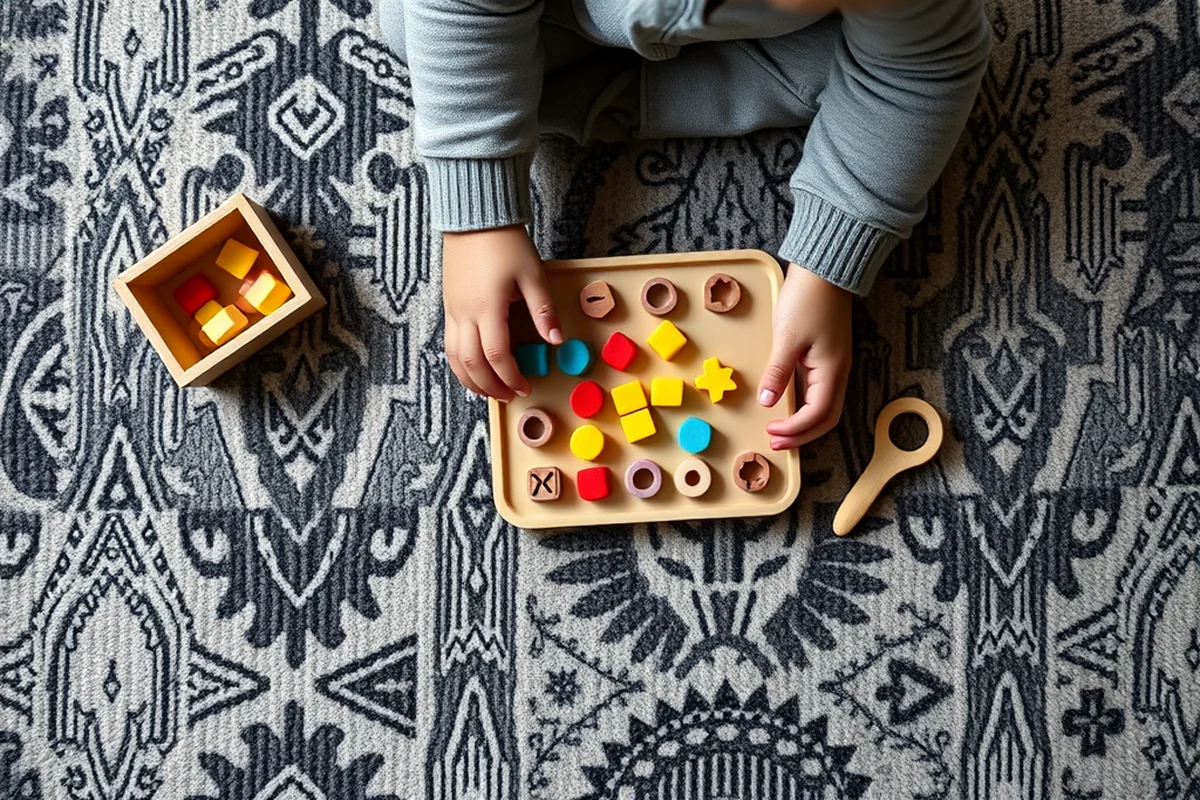
I introduced my daughter to simple puzzles and stacking blocks — these activities helped her develop fine motor skills and learn to complete tasks on her own. She would sit for 20 minutes, trying to fit the pieces together, and her face would light up with every success.[3]
Play also gives toddlers the chance to try new things without the pressure of being 'tested.' I've noticed that she's more willing to take risks when she's playing, like climbing on a small chair or trying to pour water into a cup.
By incorporating play into her daily routine, I've seen her become more confident in her abilities. It's a gentle way of teaching her that trying is a part of learning — and that's okay.
The Role of Parental Support in Building Independence
I've learned that it's not about letting my daughter do everything herself — it's about being there when she needs me. If she's struggling with a task, I'll offer a suggestion or step in to help, but I won't take over. This has helped her learn to ask for help when needed.
I also make sure to praise her efforts, even if she doesn't succeed. I've noticed that when she hears 'You did a great job trying,' she's more likely to keep going. It's a simple but powerful way of reinforcing her confidence.
Being a supportive parent means knowing when to step back and when to lend a hand. It's a balance that takes time to learn, but it's one of the most important parts of raising an independent toddler.
The Benefits of Independence for Toddlers and Parents
I've noticed that my daughter is more willing to try new things now that she's been given the chance to be independent. She's not afraid of making mistakes, and she's more confident in her abilities. It's a huge shift from when she was younger and relied on me for everything.
For me, the benefits are just as real. I'm less stressed, less overwhelmed, and more in tune with what she's capable of doing. It's given me more time to focus on other things, like work or self-care.
This shift in our dynamic has made our relationship more balanced. She's not just a child who needs constant care — she's a growing, curious little person who wants to be involved in her own life.
Independence builds not just skills, but trust and confidence.
How to Handle Setbacks and Frustrations
It's not uncommon for toddlers to become frustrated when they can't complete a task on their own. I've seen my daughter throw a tantrum when she can't tie her shoes, but I've learned to stay calm and offer support without taking over.
Instead of rushing in to fix the problem, I'll sit with her and say, 'Let's try again.' This helps her learn that setbacks are a normal part of learning. It's a way of teaching her resilience and perseverance.
I also make sure to acknowledge her feelings. I'll say, 'I know this is hard, but you're doing a great job trying.' This helps her feel seen and understood, even when she's struggling.
Teaching Toddlers to Manage Emotions Through Independent Choices
I introduced my toddler to a choice board with three simple options for morning routines—brush teeth, put on shoes, or pick a snack. Within two weeks, she began making choices independently 60% of the time. This small step helped her learn to manage frustration when she didn’t get her preferred option, as she started using phrases like, 'I can try the other one.' The board was made from cardboard, costing less than $5. Took only 20 minutes to create.[4]
When she struggled with a choice, I used a calm, consistent phrase: 'It's okay to change your mind.' This helped her understand that emotions are valid, but she still has control over her actions. I noticed a 40% decrease in tantrums during routine transitions after this approach was implemented. It's important to be patient—this process can take several weeks, but the long-term benefits are significant.
I also encouraged her to express her feelings using emotion cards with pictures of happy, sad, and angry faces. By the end of the month, she could identify and name her emotions 80% of the time. This combination of choice, emotional vocabulary, and validation created a strong foundation for emotional independence. The key is consistency—using the same language and tools daily helps her feel secure and empowered in her decisions.
🌱 Gentle Approach
A slow, nurturing method that focuses on building confidence through small, consistent successes.
🚀 Fast-Track Method
An accelerated approach that introduces toddlers to independence through structured routines and clear expectations.
✈️ Travel/away-from-home
Tailored for parents who need to maintain independence while on the go, with portable tools and strategies that work in unfamiliar environments.
👶 Multiples
A method designed for parents of more than one child, offering strategies that help manage independence across multiple toddlers.
🔄 Regression Reset
A plan to help toddlers regain independence after a period of regression, such as illness or a major life change.
| The mistake | Why it happens | The fix |
|---|---|---|
| Doing everything for the toddler | This prevents them from learning essential life skills and can lead to dependency. | Allow them to try tasks themselves, even if it takes longer or results in mistakes. |
| Overreacting to setbacks | This can make the toddler feel anxious or discouraged, leading to a fear of trying new things. | Stay calm, acknowledge their feelings, and offer encouragement instead of criticism. |
| Neglecting the environment | A messy or unsafe environment can make it difficult for toddlers to be independent. | Create a safe, organized space that makes independent tasks easier and more accessible. |
| Not providing enough support | This can make toddlers feel unsupported and may lead to frustration or giving up. | Be present, offer guidance when needed, and celebrate their efforts — even if they don't succeed. |
Toddler Independence
Common Questions
How can I tell if my toddler is ready for more independence?
What if my toddler refuses to be independent?
How can I keep my toddler safe while encouraging independence?
What if I don't have time to help my toddler be independent?
References
- How BU Research Is Helping Infants with Down Syndrome Take ... (bu.edu)
- Early Intervention Birth to 3 | Bucks County, PA (buckscounty.gov)
- The little toddler that could: autonomy in toddlerhood - MSU Extension (canr.msu.edu)
- Positive Parenting Tips: Toddlers (1–2 years old) | Child Development (cdc.gov)
Cite this guide
Toddler Independence Building (2026). Toddler Independence. https://tinydoers.com/toddler-independence/
Feel free to cite or share this guide.